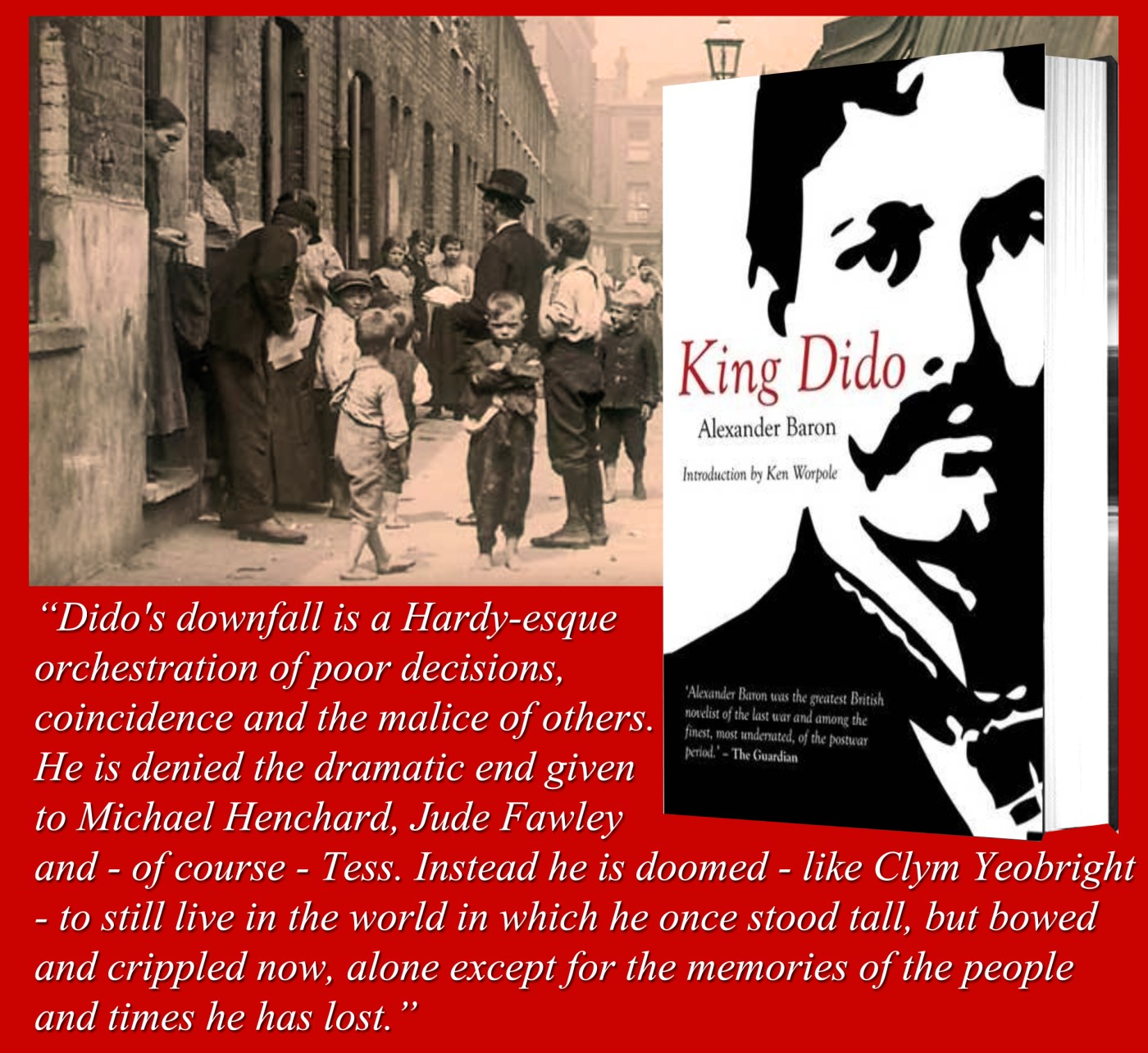

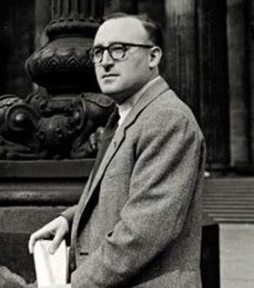
Alexander Baron (1917 – 1999) is a writer who has returned to the consciousness of the reading public in recent times because the Imperial War Museum have republished his two classic WW2 novels From The City, From The Plough, There’s No Home, and the third in the trilogy, the collection of short stories The Human KInd. His compassion and his acute awareness of the highs and lows of men and women at war have embedded the trilogy into the culture of WW2, just as the poems of Owen, Sassoon and Gurney are inescapably linked with The Great War. King Dido (1969) is a book of a very different kind.
We are in the East End of London, and it is the summer of 1911, not long after the coronation of King George V and Queen Mary. Dido is, by trade, a dock worker but, after a violent encounter with the district’s 1911 version of the Krays, he takes over the streets and becomes a kind of Reg. Not Ron, because Dido is not a psychopath, but the ‘tributes’ he collects make him a decent living. After a turbulent back alley encounter with a young waitress called Grace, Dido does ‘right thing’ and marries her. They live in redecorated rooms above the rag recovery business Dido’s mother runs. There has been a trend in crime fiction in recent years, which I call ‘anxiety porn’, but it is nothing new. More politely, these are known as ‘domestic thrillers.’ Mostly, they describe perfectly ordinary people whose lives gradually disintegrate, not through epic events, but because normal social tensions, misunderstandings, misplaced ambitions and tricks of fate turn their lives upside down. So it is here. Grace, blissfully unaware of how Dido earns his money, tries to put her feet on the next series of rungs in the ladder that leads to gentrification. However, the family’s journey on the board game of life becomes, via the snakes, a downward one, and it is a painful descent.
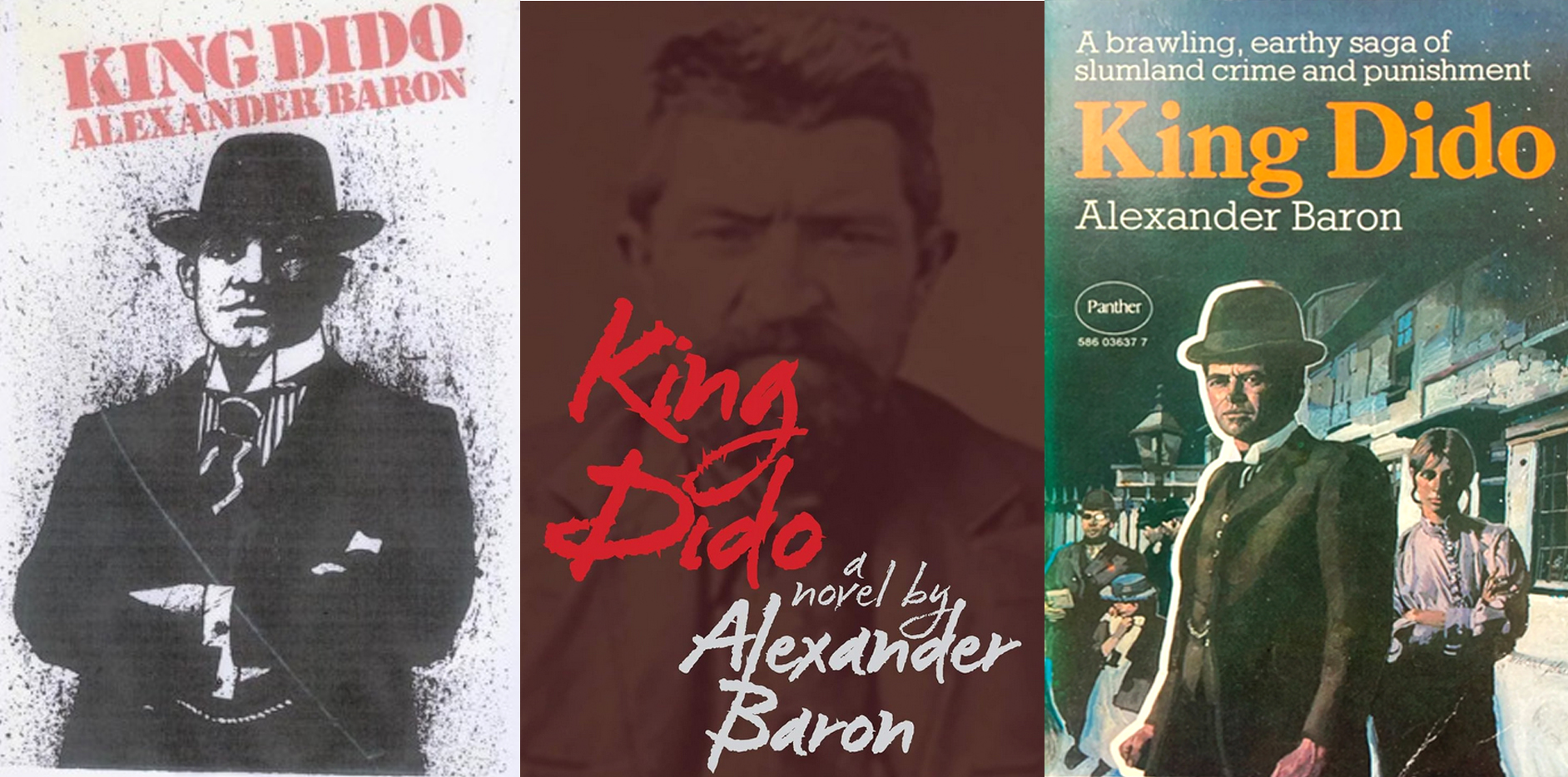
Baron grew up as Joseph Alexander Bernstein in Hackney, but he was actually born In Maidenhead, his mother having been evacuated there as a result of Zeppelin raids on London. His father was a master furrier, so it is clear that there is nothing autobiographical about his characterisation of Dido Peach. What is evident in the book is that Baron was aware of the existence of subtle strata within the East End poor. By 1911 the Huguenots had long since moved away, leaving such places as Christ Church Spitalfields and the elegant houses in Fournier Street as their memorials. There remained what could be called the ‘dirt’ poor, and then the ‘genteel’ poor – such as Mrs Peach and her family. What doesn’t feature in the novel, but was exactly contemporaneous, was the upsurge in activity by Eastern European activists, mostly exiles from Russia. The Houndsditch Murders and the resultant Siege of Sidney Street was that same year, while The Tottenham Outrage had been two years earlier. Both events remain writ large in East End history.
In the end, Dido’s downfall is a Hardy-esque orchestration of poor decisions, coincidence and the malice of others. He is denied the dramatic end given to Michael Henchard, Jude Fawley and – of course – Tess. Instead he is doomed – like Clym Yeobright – to still live in the world in which he once stood tall, but bowed and crippled now, alone except for the memories of the people and times he has lost. Baron’s prose here, just as in his better known books, is vivid, clear and full of insights.

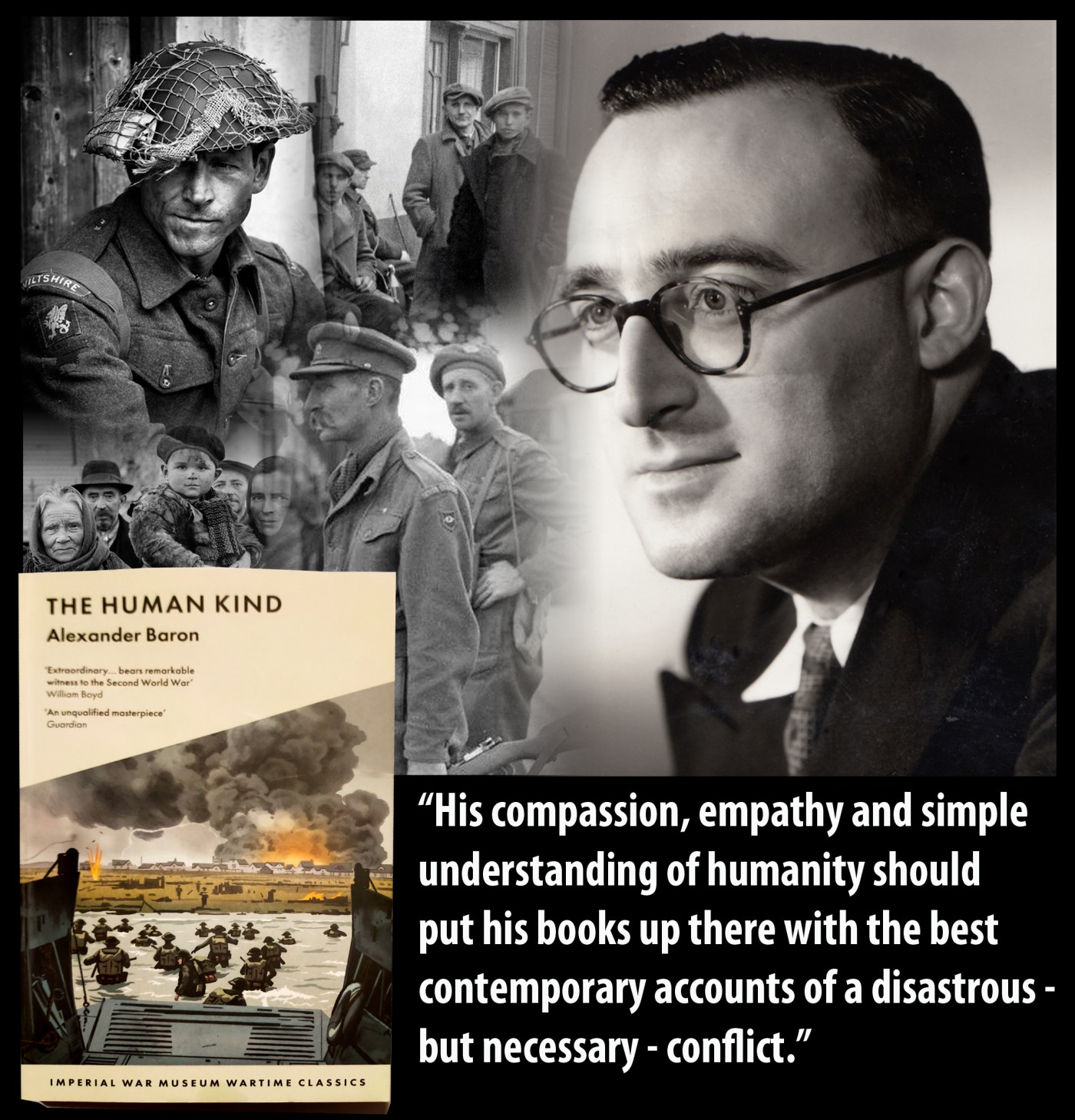

 There is black humour in some of the stories, as well as a dark awareness of sexuality. In Chicolino, the soldiers in Baron’s platoon ‘adopt’ a homeless Sicilian boy, just into his teens. They share rations with him and treat him kindly, but are shocked to the core when he assumes that they will want to have sex with him in return for their kindness. He would have been quite happy to oblige, and is hurt and humiliated by their rejection. In The Indian, Baron retells the story from There’s No Home of how Sergeant Craddock comes to sleep with the beautiful Graziela. It is the appearance of a drunk but harmless Indian soldier that brings them into each other’s arms. Readers who, like me, are long in the tooth, will remember watching a 1963 movie called The Victors, directed by Carl Foreman. Alexander Baron was the screenwriter, and the story Everybody Loves a Dog, which relates the unfortunate consequences of a friendless and inarticulate Yorkshire soldier befriending a stray dog, was one of many memorable scenes in the film.



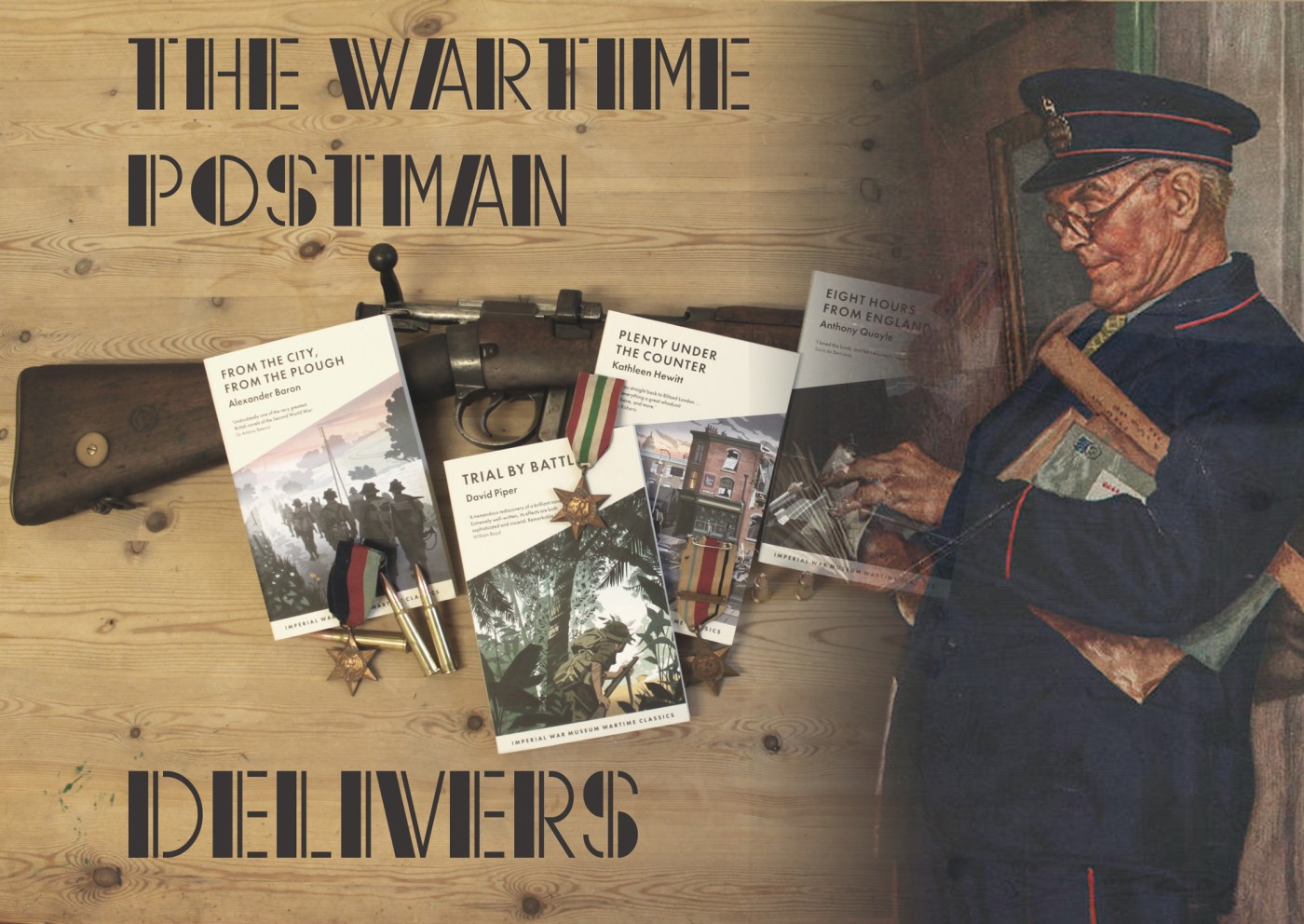
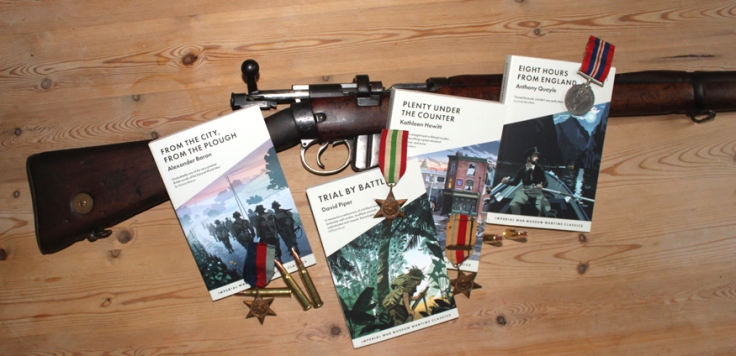
 This is a vivid and moving account of preparations for D- Day and the advance into Normandy. Published in the 75th anniversary year of the D-Day landings, this is based on the author’s first-hand experience of D-Day and has been described by Antony Beevor as:
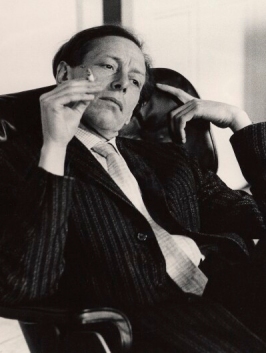 This quietly shattering and searingly authentic depiction of the claustrophobia of jungle warfare in Malaya was described by William Boyd as:
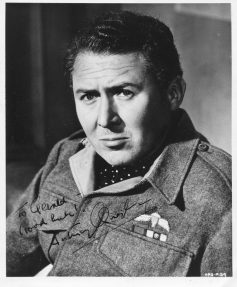 Anthony Quayle was a renowned Shakespearean actor, director and film star and this is his candid account of SOE operations in occupied Europe. Historian and journalist Andrew Roberts said:
 This murder mystery about opportunism and the black market is set against the backdrop of London during the Blitz.


 fullybooked2017