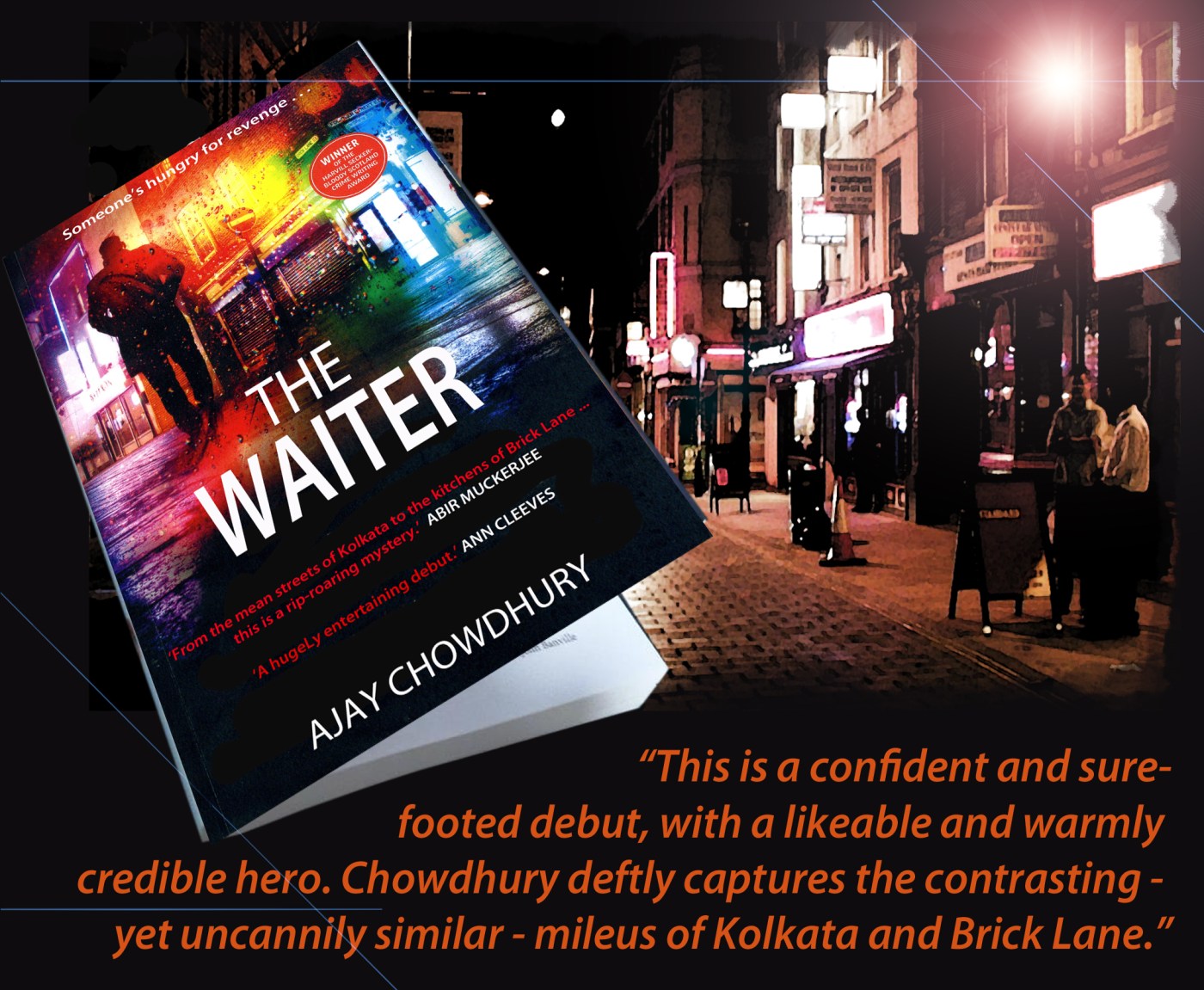

Kamil Rahman is a Bengali Muslim, but in name only. He enjoys a beer, and his job as a detective with the Kolkata Police Force gives him little time for religious observance. His father was a distinguished cop before him, and he tries hard to live up to that reputation. When a famous Bollywood film star is found dead in a plush hotel, Kamil is astonished to be given the job of finding the killer of Asif Khan.
We are getting ahead of ourselves. The killing of Asif Khan was in July, but the book opens in the October of the same year, and we find Kamil not heading up a crack team of investigators in the capital city of West Bengal, but waiting tables in a curry house in London’s Brick Lane.
 The restaurant is run by his relatives Saibal and Maya, with help from their daughter Anjali. At this point is worth reminding people that families are the big thing in the sub-continent, and most of the characters in the book are related in one way or another. The story starts on the evening that the restaurant has been booked to provide the food for the lavish 60th birthday party of rich entrepreneur Rakesh Sharma. He and his new wife Neha – half his age – are installed in a lavish mansion on Billionaire’s Row near Hampstead Heath. It’s also worth mentioning at this point that Sharma’s first wife (and son by that union) are still very much on the scene.
As the party gets into its stride, Sharma shocks his audience when he announces that he is going to sell all his holdings and divert the rest of his life to charitable works, dedicated to his young wife. As Kamil and the other functionaries are driving home in the small hours, they receive a chilling ‘phone call. Sharma has been found dead – apparently battered about the head with a heavy object. They return to the mansion, slightly ahead of the police.
The big question with which Ajay Chowdhury teases us is, of course, why has Kamil ended up in a walk-on part in one of London’s innumerable Indian restaurants, rather than being an important detective in Kolkata. Chowdhury uses a ‘then-and-now’ narrative. It’s not my favourite literary device, but at least we have only two time slots to keep track of. We are deep into the book before we discover why Kamil is bowing and scraping in London, rather than advancing his career – and his marriage prospects to his smart and beautiful lawyer fiancée Maliha – back in West Bengal. The answer comes in the form of a terrible betrayal.
This is just a crime novel, albeit a very good one, but it does raise questions about probity in public life. People of my age have had a lifetime of reading about the depth of corruption in India and Pakistan, and Chowdhury paints an unflattering picture of the wheels-within-wheels in the Kolkata Police Force. Are we any better here? Is the corruption just more subtle, and more in people’s peripheral vision rather than in full view? I write this review at a time when news bulletins remind us of the awful, unbridgeable gulf between the haves and have-nots in present day Covid-blighted India.
Eventually, Kamil’s Kalkota downfall is explained, and we also learn who killed Rakesh Sharma. There is much entertainment on the way to the finale. The Met Police copper’s last words suggest that we haven’t heard the last of Kamil Rahman.
“We are always looking for skilled detectives from diverse backgrounds.”
This is a confident and sure-footed debut, with a likeable and warmly credible hero. Chowdhury deftly captures the contrasting – yet uncannily similar – mileus of Kolkata and Brick Lane. The Waiter is published by Harvill Secker, and will be out on 27th May.




 Satoshi ‘The Prince’ Oji is the darkest character of the five. He is utterly without compassion. Other human beings – school teachers, teenage friends, other adults – only have value to him in the sense that they can be used for his entertainment. He is highly intelligent, but one of the more malevolent fictional villains I have encountered in recent times. Everything is thought through and planned in the minutest detail, such as his grip on Kamura. The grizzled gangster could, physically, chew up Satoshi and spit out the bones, but the teenager convinces Kamura that he has an insider in the hospital where the man’s son is lying in a coma, and should Satoshi fail to answer periodic calls to his mobile ‘phone, then this insider will find a way to disconnect the little boy’s life support system.

 While reporting on the death and mutilation of a young rent boy, Russell is asked by a friend to take on another case, this time on behalf of a senior army officer whose daughter is missing. It is a delicate business, because there is a strong suspicion that Lili Zollitsch has run off with a boyfriend who is an active member of the Kommunistische Partei Deutschlands.

 We are, as ever, in London, but it is 1940. The Phony War is over, and the Luftwaffe are targetting industrial sites they believe to be involved in making parts for military aircraft. When several important employees of one such factory are burgled – clearly by an expert – but with nothing other than trinkets stolen, Hardcastle believes he may be on the track of a German spy on the look-out for plans, blueprints or important military information. Hardcastle has to deal with The Special Branch, but finds them about as co-operative as they were with his father a couple of decades earlier. This has a certain tinge of irony, as part of the author’s distinguished police career was spent as a Special Branch Operative.


 When a rent boy is found dead, his throat cut from ear to ear, there is initially little interest by the police, as the lad is just assumed to have paid the price for being in a risky line of business, but when the post mortem reveals that he has had every drop of blood drained from his body, Quinn is summoned and told to investigate. After a droll episode where Quinn decides to pose as a man smitten by “the love that dare not speak its name”, and blunders around in a dodgy bookshop, but he does find out that the dead youngster was called Jimmy, and had links to a ‘gentleman’s club’ where he would find men appreciative of his talents.
 Thankfully, Morris makes no attempt to get in the politics of homosexuality and the law: his characters simply inhabit the world in which he puts them, and their thoughts, words and deeds resonate authentically. In 1914, remember, the trial of Oscar Wilde and the Cleveland Street Scandal were still part of folk memory. It’s an astonishing thought that had Morris been writing about similar murders, fifty years later in 1964, virtually nothing would have changed – think of the scandals involving such ‘big names’ as Tom Driberg, Robert Boothby and Ronnie Kray, and how their lives have been written up by such novelists as Jake Arnott, John Lawton and James Barlow.

 The Steiners are also well-connected. Politicians great and small, financiers, socialites, fund-raisers – mostly anyone who is anyone in Boston and further afield – all tip their hats to the Steiners. Neither does it hurt that the Steiners’ clout enables them to hire serious muscle from the criminal underworld and, as most of the child rape is conducted on a private island somewhere in the vicinity of the Bahamas, neither the Boston Police Department nor the FBI can do anything to intervene.



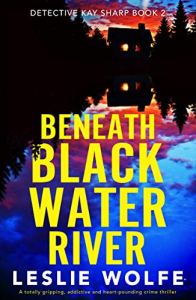 Leslie Wolfe has, then, set several hares running, to use the venerable English metaphor. The rogue cop – Herb Scott – is a truly nasty piece of work, and seems to have half the Sheriff’s Department under his thumb, as when his wife, Nicole, has reported her many beatings as a crime, nothing ever happens. The mis-identification of the murdered girl is a seemingly unsolvable mystery. Were there ever two girls, or are they one and the same? Does the conundrum stem from a complex inheritance issue involving the wealthy Caldwell family? The Caldwells are magnificently disfunctional, riven with bitterness and jealousy, and to spice matters up even more, there is the deadly whiff of incest in the air.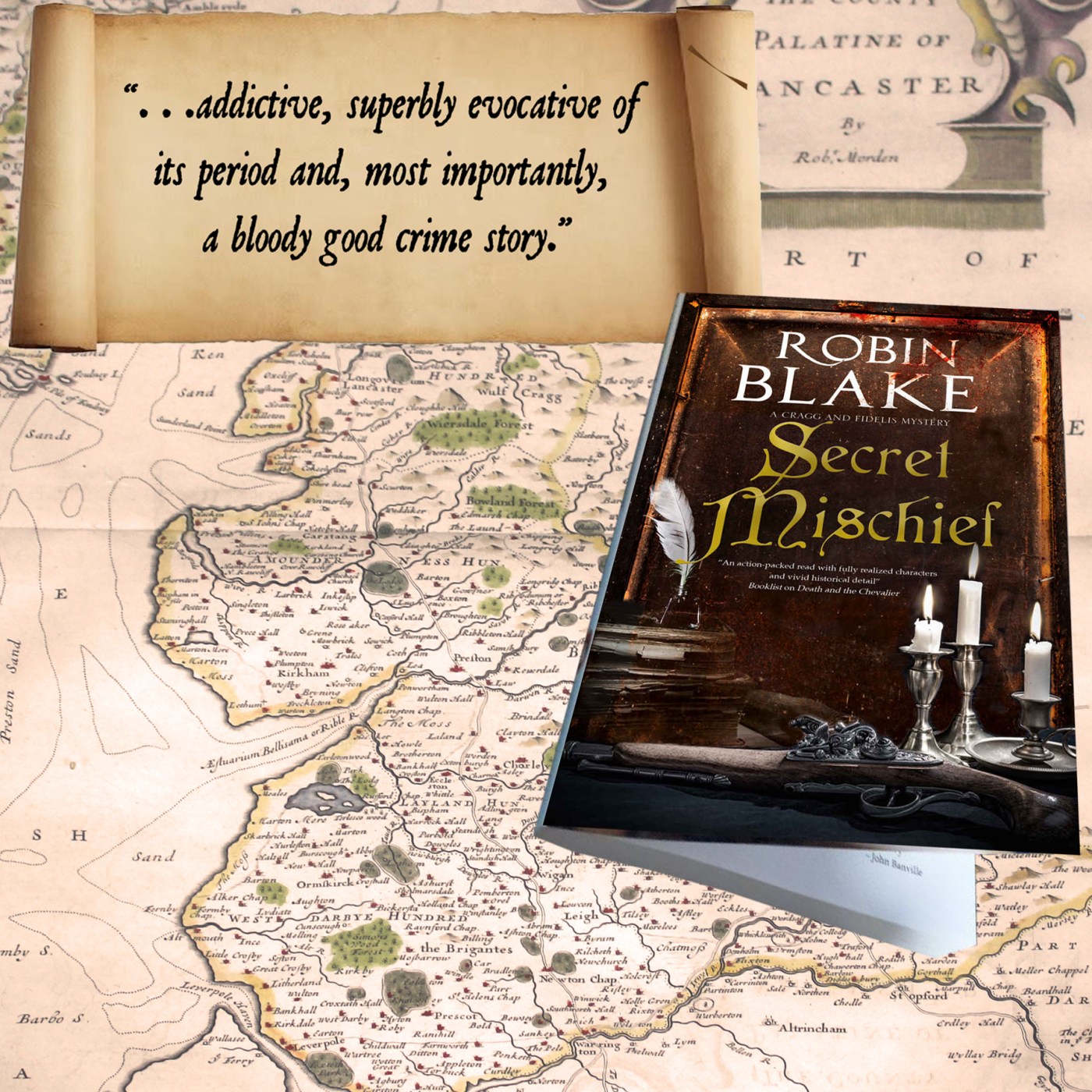

 As ever, murder is the word, and a series of deaths in and around the town of Omskirk are linked to an archaic form of business plan for raising money, known as a Tontine. The investment plan was named after Neapolitan banker Lorenzo de Tonti and, to put it simply, was a pot of money where a number of people contributed an equal sum. The money would either be invested, with interest paid to the members, or used to fund capital projects. As time went on, and investors died, the fund became the property of the remaining members, until the last man (or woman) standing hit the jackpot.
 One by one the Tontine signatories come to sticky ends: one is, apparently, hit by the sail of a windmill; another is found dead on Crosby beach, apparently drowned, but Luke Fidelis conducts a post mortem and finds that the dead man’s body has been dumped on the seashore. Things become even more complex when a reformed ‘lady of the night’, now a maid, is accused of pushing the poor woman into the path of the windmill sail. Cragg is convinced she is innocent, but faces an uphill struggle against a corrupt judge.


 fullybooked2017