

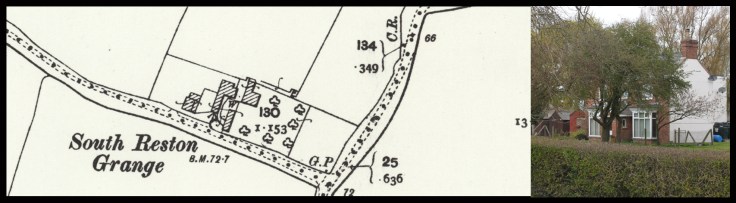
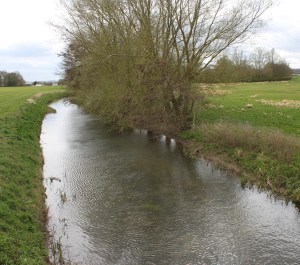
SO FAR – South Reston, May 1890. George Hay lives at The Grange with his wife, two young chidren, and his brother-in-law. Half a mile or so to the north-east is South Reston Hall (below), where George’s parents and siblings live. In the early hours of Saturday 24th May, George has turned up at the Hall, soaked to the skin and covered in mud. He confesses that he has tried to commit suicide in a little river in nearby Withern. He is put to bed, but then requests that someone should go to his home to see how his family are. The Grange sat near the junction of Willoughby Lane and Scrub Lane. The house presently on the site is called Prosperity Farm. Locals may be able to confirm if it is the same house. I suspect it is, but much altered. (see the image at the foot of the page)

George Hay’s mother and his sister Lizzie had a servant put a pony between the shafts of their trap, and set off to drive the mile and a half to The Grange. They stopped in the Grange yard, and Lizzie went to the door of the house. She tried to open the door, but found resistance. When she peered through the gap she was horrified to see a woman on her knees, with bloody hands placed against the door. Lizzie’s first reaction was to tell her mother to come no closer. Seeing some men – farm labourers – standing nearby, she summoned them and asked them to force the door open. Two of the men, John Crow and John Cross did as they were told, but recoiled in horror at what lay in front of them. The woman on her knees, still alive, was Louisa Hay, George’s wife. Lizzie Hay, in an understandable state of shock, ordered the men to go into the house but they wouldn’t. Still unaware of the full horror that lay beyond the back door of The Grange, Lizzie and her mother got back on the trap, determined to go and fetch medical help from the nearest doctor.
Just a few hundred yards down the road, however, Lizzie Hay had a change of heart. She said:
“Mother, I have made a mistake.I ought to have gone into the house with those men.”
She turned the trap round and made back for the yard of The Grange, where she stepped down from the trap once more. Along with the two men, and a Mrs Scupham who had arrived on the scene, she pushed her way into the house. Louisa Hay had moved away from the door, and was sitting against the wall with one hand clasped around her knee. The state Louisa was in almost defied words, but at a subsequent court hearing, Dr William Prawford Palmer, of Withern, described what he saw:

It was later discovered that the poor woman had been crawling about on the floor of her kitchen, horribly wounded and in excruciating pain – but unable to cry out, due to her wounds – since nine-thirty the previous evening. Not only that, but she had been keeping company with a corpse – that of her brother Thomas. The farm men and Lizzie Hay lifted Louisa onto the sofa, but then they saw, slumped at the feet of a chair, the body of Thomas Hay. His injuries were equally horrific as those of his sister, but at least death had claimed him quickly. Part of his skull had been blown away, shotgun pellets were found in other parts of his body, and it seemed as though he had been sitting in the chair taking off his boots when the shots were fired.
This is a tale from the depths of hell, but it was to get worse. Unbelievably, upstairs and above the carnage, the two children of Louisa and George Hay were discovered – thankfully unharmed and seemingly oblivious of the nightmare that had just occurred. They were packed off to stay with relations near Brigg.
The police were called from Alford, and George Hay was arrested and taken into custody. The doctors desperately tried to save Louisa Hay, and when George Hay was brought before magistrates the next day, she was still clinging to life.
IN PART THREE – TRIAL, RETRIBUTION – AND THREE MORE DEATHS
 I have been researching and writing about true crimes for many years now and, by their very nature, the events I have described rarely make easy reading. On display is a journey through the very worst of human character, from weakness, via jealousy and insanity, through to pure and simple evil. I can say, however, that the story I am about to tell has been hard to write. It contains descriptions of madness and physical violence which may not be to everyone’s taste, so, if you are squeamish, then maybe this is not for you. Every word of this story is taken from contemporary newspaper reports and transcriptions from a criminal trial that horrified readers in the early summer of 1890.

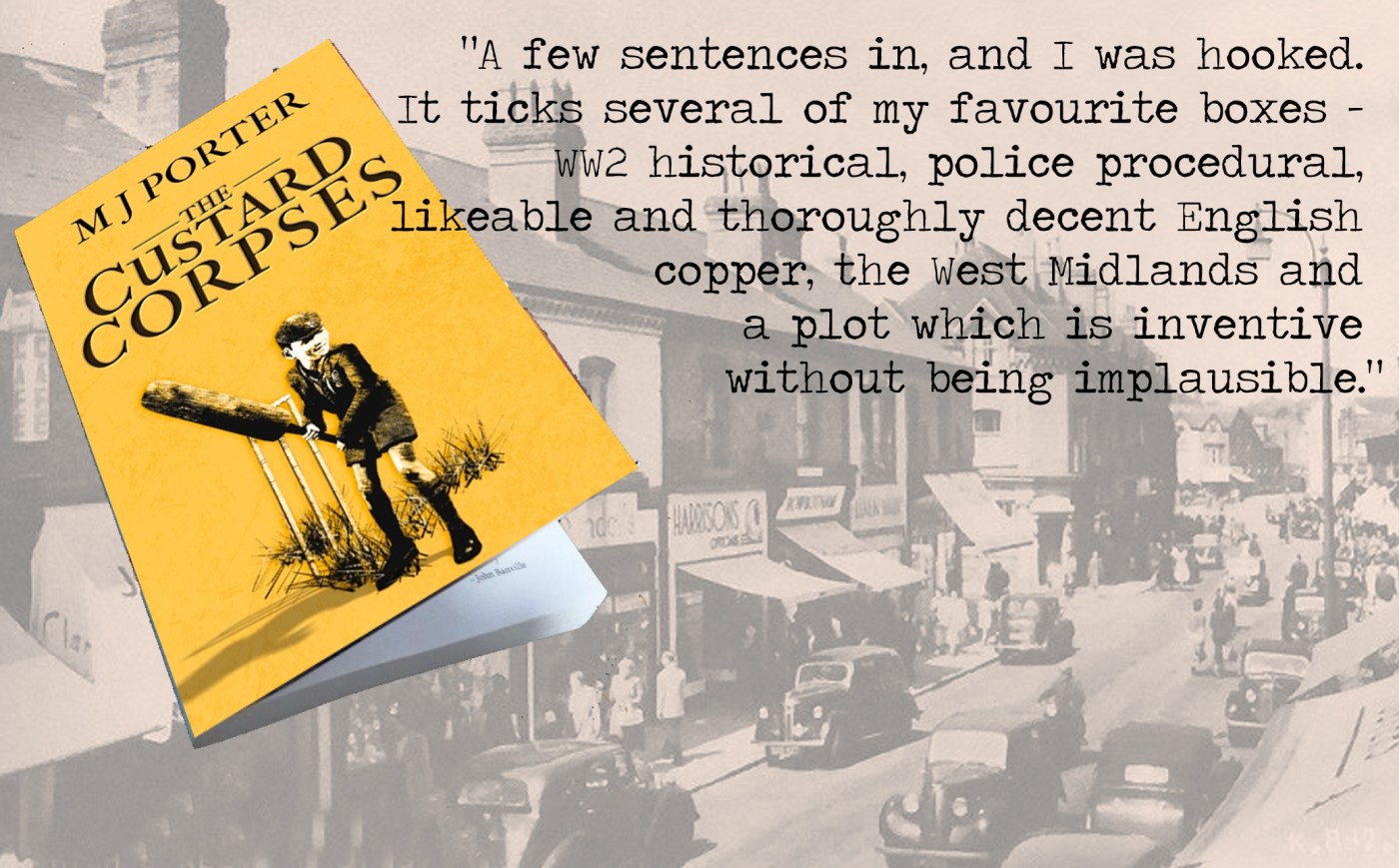
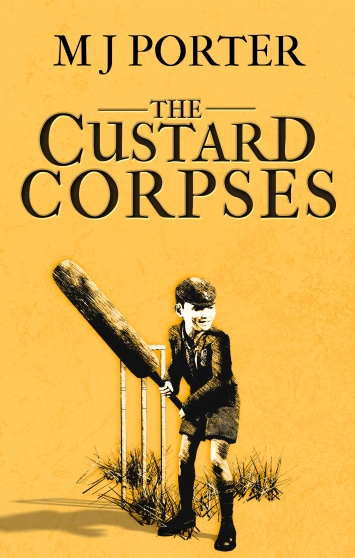 Mason is a man given to reflection, and a case from his early career still troubles him. On 30th September 1923, a boy’s body was found near the local church hall. Robert McFarlane had been missing for three days, his widowed mother frantic with anxiety. Mason remembers the corpse vividly. It was almost as if the lad was just sleeping. The cause of death? Totally improbably the boy drowned. But where? And why was his body so artfully posed, waiting to be found?


 After a few days
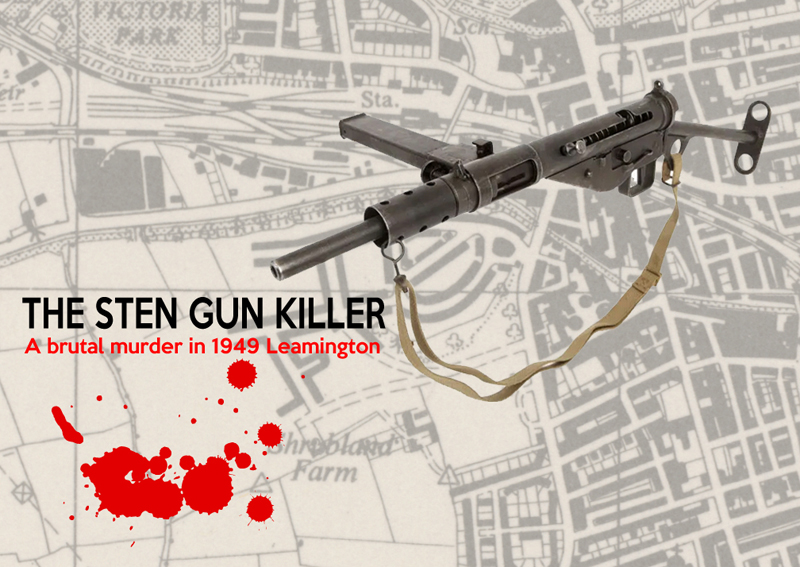
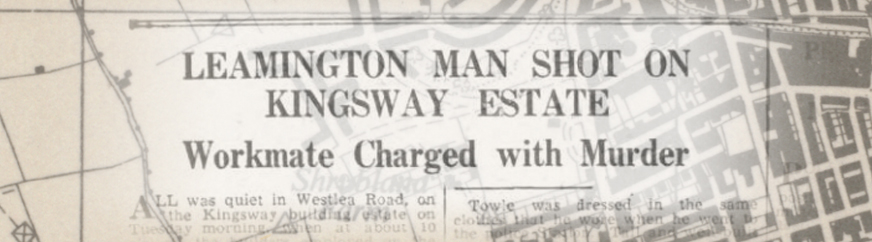
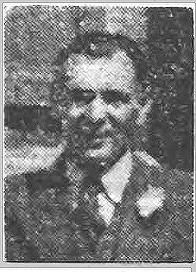


 Swadling Street in Leamington is an unassuming thoroughfare, with houses which were built on the old Shrubland Estate between the wars. It was named after a Leamington councillor of the 1920s, and in 1931 it boasted twenty addresses. In January 1949, number 6 was occupied by Edward Sullivan. A 49 year-old Irishman and father of six children – three sons and three daughters – he worked as a builder’s labourer. Known to his mates – inevitably – as Paddy – he was working on a council house building project on Westlea Road, which was another between-wars development on what had been the Shrubland Estate.

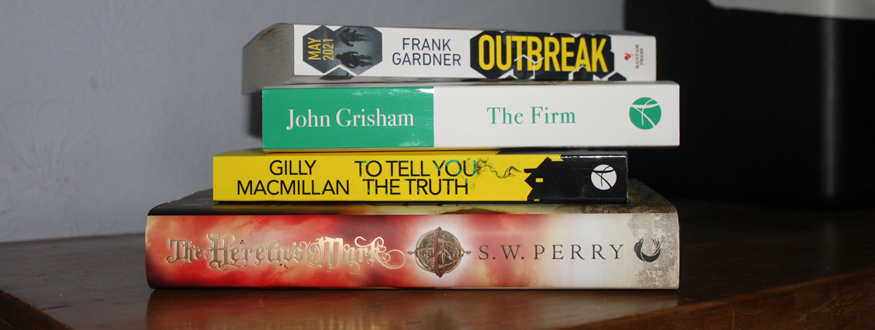
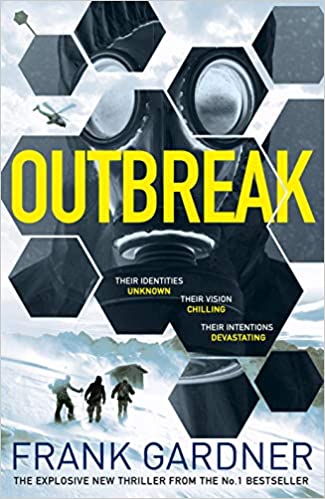 Frank Gardner’s life has been like a thriller in itself. The former army officer had a glittering career in broadcast journalism until he narrowly escaped death at the hands of al-Quaida gunmen in Saudi Arabia. After numerous operations, he resumed his career withe BBC, albeit confined to a wheelchair. This is his third novel, coming after Crisis (2016) and Ultimatum (2018), and again features MI6 operative Luke Carlton. Carlton has his most desperate case yet, as he tries to get to the bottom of a terrifying contagion that seems to have its source in a desolate research station in the Arctic Circle. Outbreak is out in hardback on 27th May, and is
 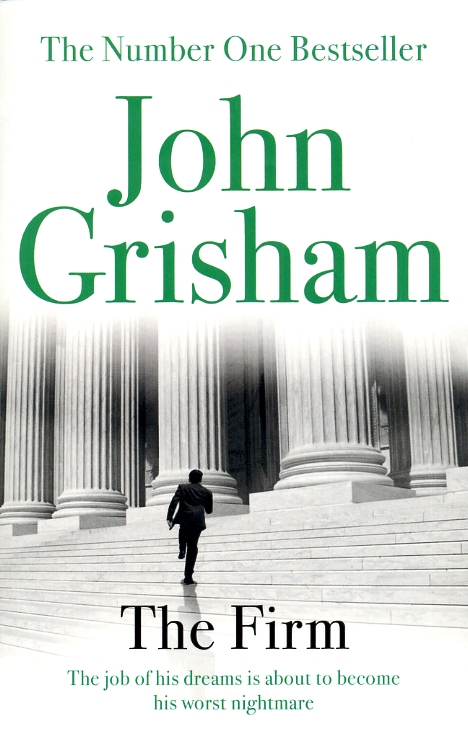 The author’s work has pretty much become the industry standard for legal thrillers, and this edition is the latest reprint of the book that made his name, way back in 1991. The cover looks like that of the 25th anniversary edition (2016) but with a different colour filter on the cover illustration. The novel tells the tale of a brilliant Harvard educated lawyer, Mitch McDeere, whose first job is a dream come true – especially with an astonishing salary, a new home, and keys to a gleaming new BMW. When he realises that Bendini, Lambert & Locke are little more than a front for the Mafia, he realises he is in deep, deep trouble. This will be available
  Lucy Harper is a best-selling writer of thrillers, whose talent for macabre invention and stunning plot-twists has earned her a small fortune and tens of thousands of devoted fans. What few of these readers know, however, is that when Lucy was just nine years old – thirty years ago – her brother mysteriously disappeared, and she was the only witness. The case was never solved, but now her husband Dan has also disappeared. What does Lucy know? Is this collision of past and present just a coincidence, or is there something more sinister going on? To Tell You The Truth came out in hardback in June 2020, but this paperback edition will be on sale (Arrow books)
  The Nicholas Shelby books – known as the Jackdaw Mysteries, after a London tavern – are great fun, and rich in period drama and detail. Nicholas Shelby is a somewhat unorthodox physician in Elizabethan England, and he has dealings – somewhat reluctantly – with the Queen’s spymaster Robert Cecil. Here, Gloriana’s personal doctor has been executed for treason. Shelby and his wife Bianca are caught up in the wave of suspicion and conspiracy which follows, and are forced to flee to Italy before their necks are also on the axeman’s block. I have reviewed – and thoroughly enjoyed – earlier books in this excellent series, so click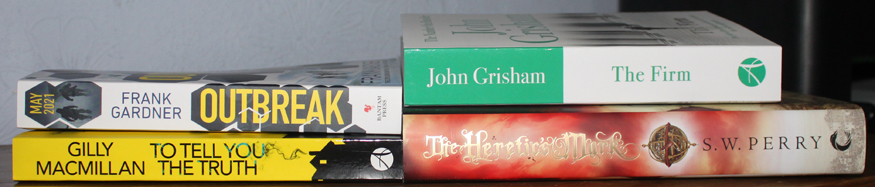


 Sadly for Peter Blanchard and his family, the Home Secretary, Richard Blanchard Cross (left), was not inclined to be merciful, and Peter Blanchard was executed on Monday 9th August 1875. This newspaper report tells the melancholy story: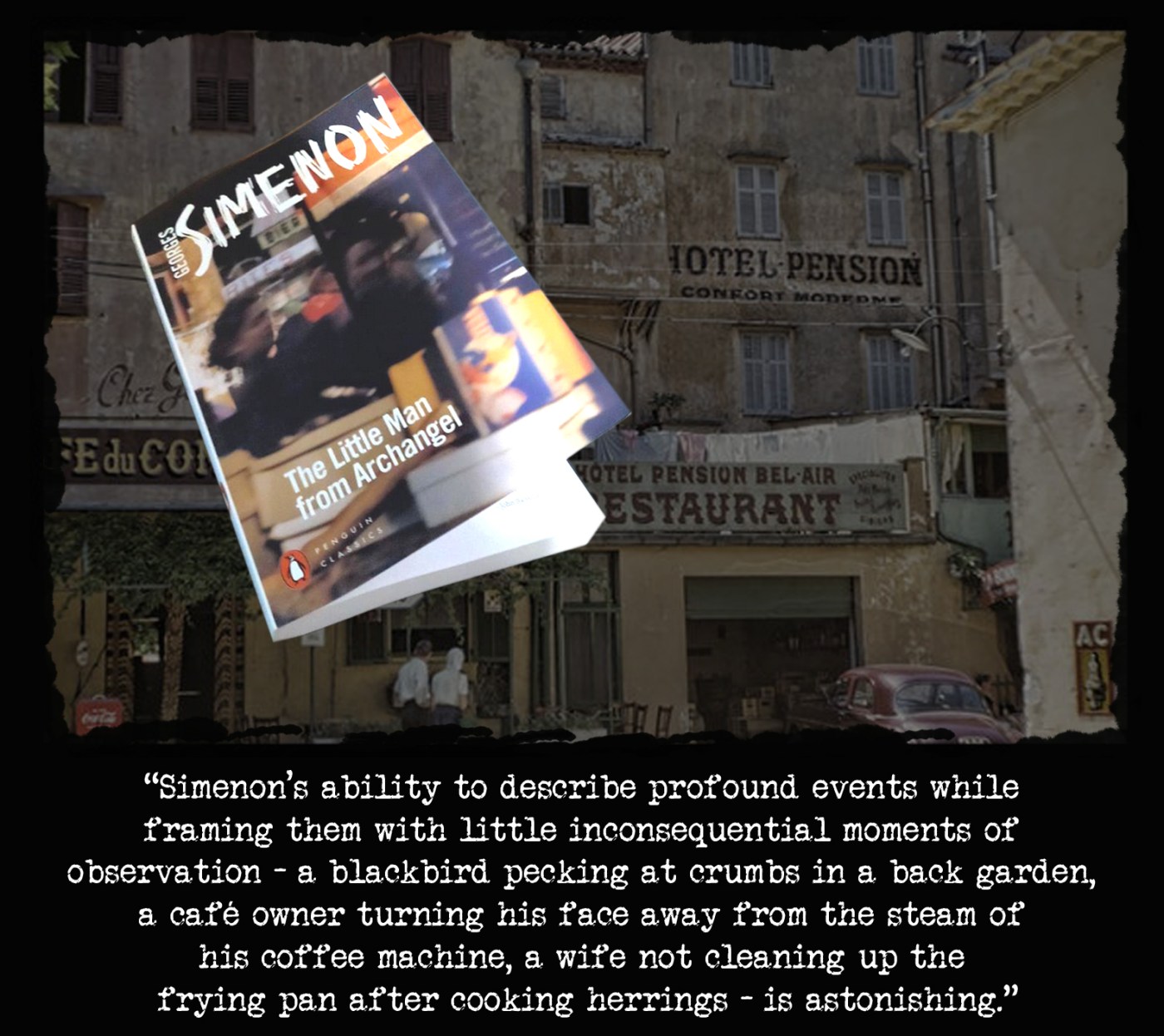


 We are in an anonymous little town in the Berry region of central France, and it is the middle years of the 1950s. Jonas Milk is a mild-mannered dealer in second hand books. His shop, his acquaintances, the c
 Jonas Milk has a wife. Two years earlier he had converted to Catholicism and married Eugénie Louise Joséphine Palestri – Gina – a voluptuous and highly sexed woman sixteen years his junior. No doubt the frequenters of the Vieux-Marché have their views on this marriage, but they are polite enough to keep their opinions to themselves, at least when Jonas is within earshot. But then Gina disappears, taking with her no bag or change of clothing. The one thing she does take, however, is a selection of a very valuable stamp collection that Jonas has put together over the years, not through major purchases from dealers, but through his own obsessive examination of relatively commonplace stamps, some of which turn out to have minute flaws, thus making their value to other collectors spiral to tens of thousands of francs.


 fullybooked2017