

 This is a new police procedural from Stuart MacBride (left) and it introduces Detective Sergeant Lucy McVeigh. Her beat is the fictional town of Oldcastle (not to be confused with the actual city of Oldcastle, which lies between Aberdeen and Dundee). Aberdeen, of course, is where DS Logan McRae operated in the hugely successful earlier series from MacBride. Also, DS McVeigh comes across – to me at any rate – as a younger version of McRae’s boss, the foul-mouthed and acerbic DCI Roberta Steel. McVeigh is equally sharp tempered, and similarly indisposed to suffer fools gladly.
Early on, we are aware that McVeigh has been involved a high profile incident where she killed a man – Neil Black – in the line of duty. This requires her to suffer – by order of her bosses – psychological treatment and counselling. Like the good storyteller that he is, MacBride doesn’t let us know the nature of the incident right away, thus keeping us guessing for a while. When we do learn what happened, over seven terrifying pages, it is horrific stuff.
McVeigh is involved in the hunt for a serial killer nicknamed The Bloodsmith. He – or she – eviscerates victims and scrawls “Help Me’ on the wall of the murder scene, using the blood of the unfortunate prey. The trail is cold, but when a new victim emerges McVeigh and her ‘gofer’ Detective Constable Fraser (aka The Dunk) have some fresh clues to work with. It turns out that the latest corpse is the remains of a former police officer who did time for petty theft, and then ended up as a vagrant on the streets.
Women are supposed to multi-task better than men, but Lucy McVeigh has two other problems. Firstly, she is being harassed by the family of the man she killed. They are determined to end her career by fair means or foul, and the press are lapping up every minute of the feud. Secondly, a case from the past surfaces. Years earlier, McVeigh was involved in putting behind bars an eleven year-old boy who, along with another boy as yet unidentified, committed a terrible murder. Now a young man, Benedict Strachan is back – literally – on the streets, using an alias, misusing drugs, living rough, and he is convinced that someone is trying to kill him.
 As the search for The Bloodsmith continues, and Lucy McVeigh struggles to keep abreast of that investigation, as well as her battle with the Black family and coping with the mental agonies of Benedict Strachan, MacBride treats us to his signature mixture of Noir, visceral horror and bleak humour. Even though his Oldcastle is a fictional place, it is vividly brought to life to the extent that I would not be in the least surprised if the author has a map of the place hanging on the wall of his writing room. The situation becomes ever more complex for Lucy McVeigh when she learns there is a connection between the murdered former policeman and Benedict Strachan. That connection is a prestigious and exclusive independent school, known colloquially as St Nicks’s. When she visits the school, she unearths more questions than answers.
Novels that use the name of the Devil in their title are making a statement that the writer has to live up to. No-one did it better than the great Derek Raymond in his 1984 The Devil’s Home On Leave, but what about this book? I won’t over-egg the pudding and say that it’s an existential treatise on the nature of evil. It’s just a crime novel, albeit a very superior one. Suffice it to say that Stuart MacBride takes us to some very dark places, and convinces us that the Devil is real, if only in the sense that he lives in the hearts and souls of certain human beings.
No Less The Devil will be published by Bantam Press on 28th April. As a postscript, I have to say that I found the last hundred or so pages seriously strange, and it took me all the way back to the 1990s and my weekly (and increasingly puzzled) visits to Twin Peaks. Without any further spoilers, I will simply say that I think I know what happens, but I aIso believe readers will be divided over the plot swerve. I would be interested to hear from other people what they made of it.
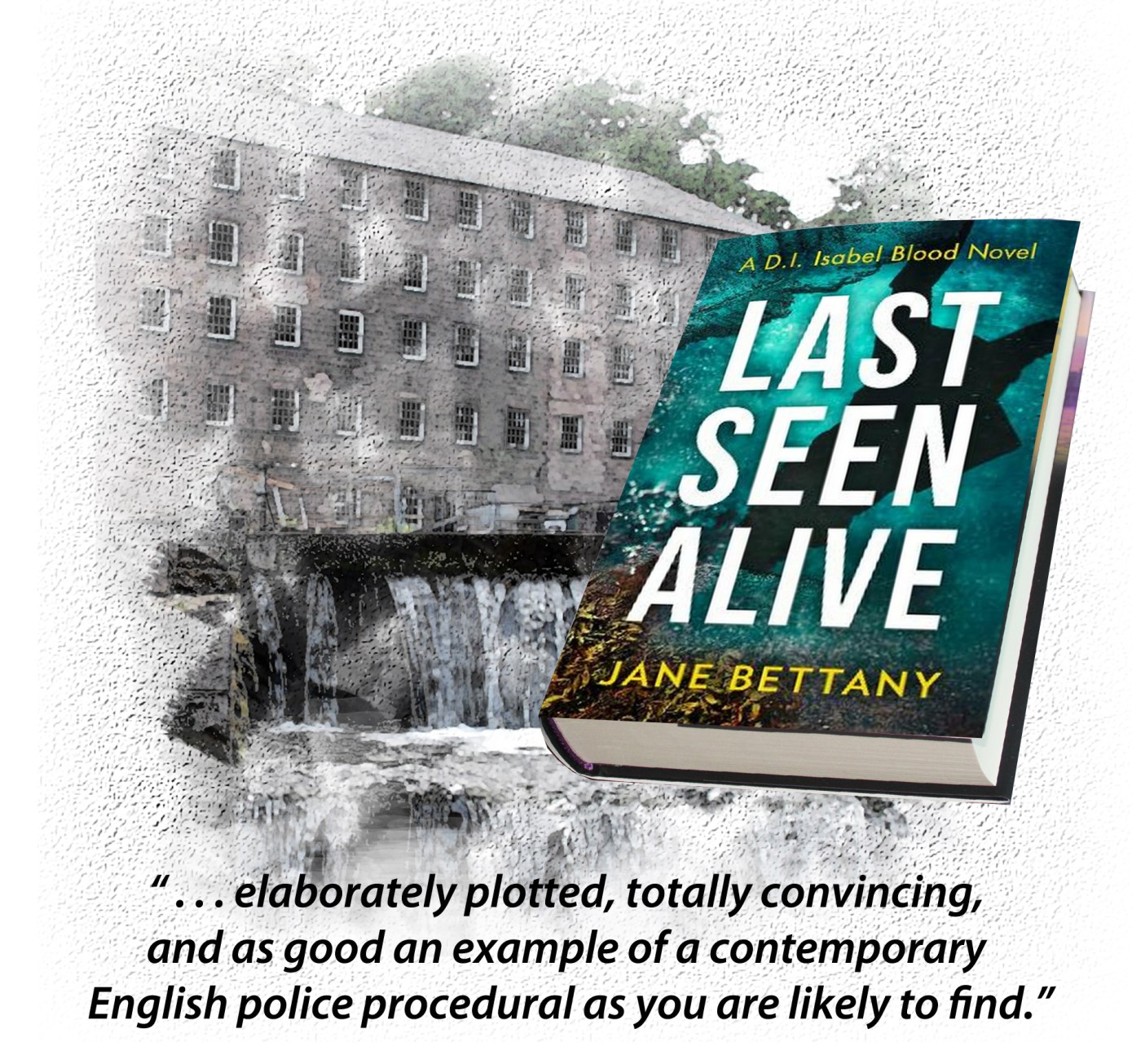

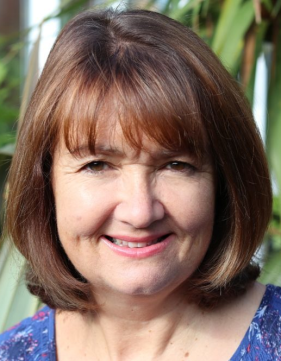 Last Seen Alive is the third book by Jane Bettany (left) featuring the Derbyshire copper DI Isabel Blood. The story begins when Anna Matheson, a single mother who works at a large confectionery firm, fails to pick up her infant son from the child minder after a social event at work. Lauren Talbot, the child minder, raises the alarm late at night, but precious hours elapse before morning comes and the police are able to start making enquiries.



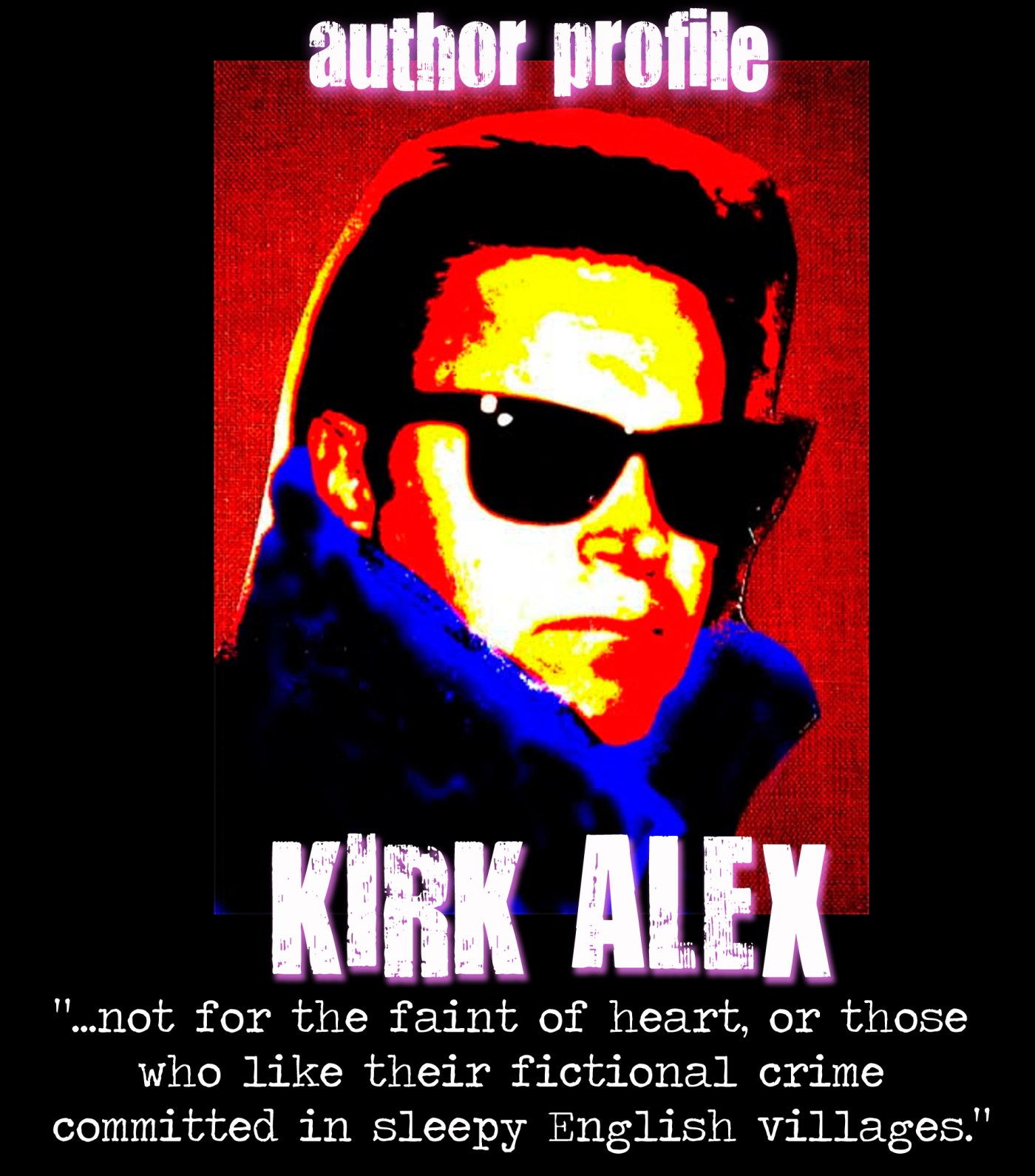

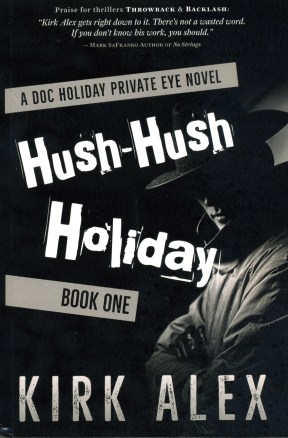 The Tucumcari Press is based in Tucson, Arizona, and they have kindly sent me a couple of books by Kirk Alex. So who is he? He can tell us:
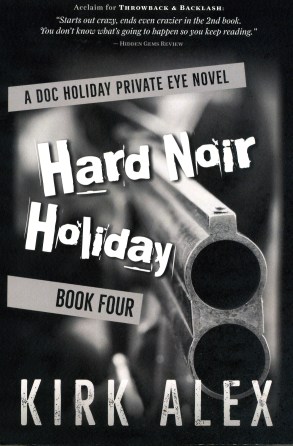 In L.A., unless you have the flashy car, luxury apartment, good paying job, you can forget about having a woman in your life to be with, any of that; so yeah, we hung in there alone. What doesn’t break you makes you stronger, so they say.
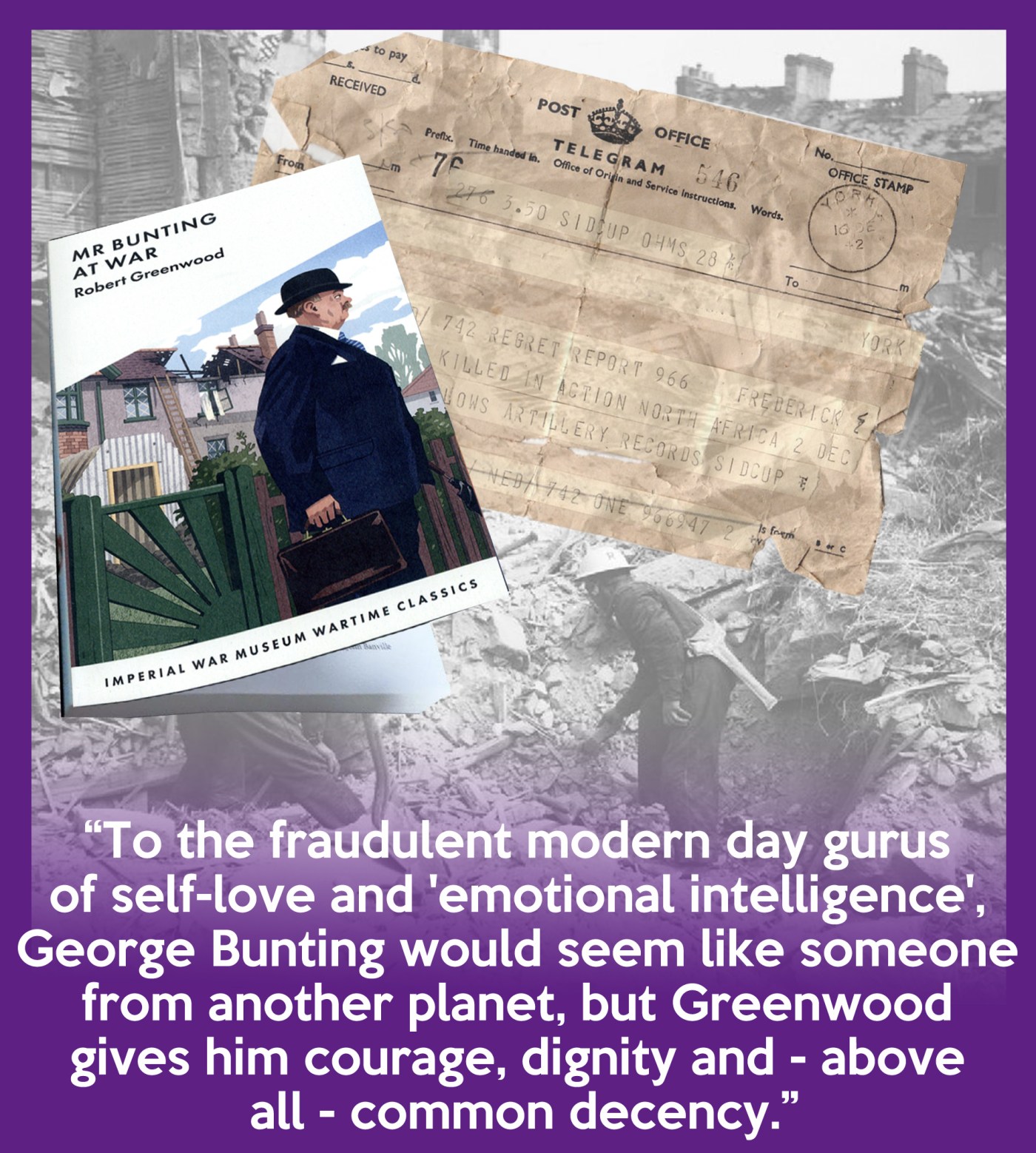

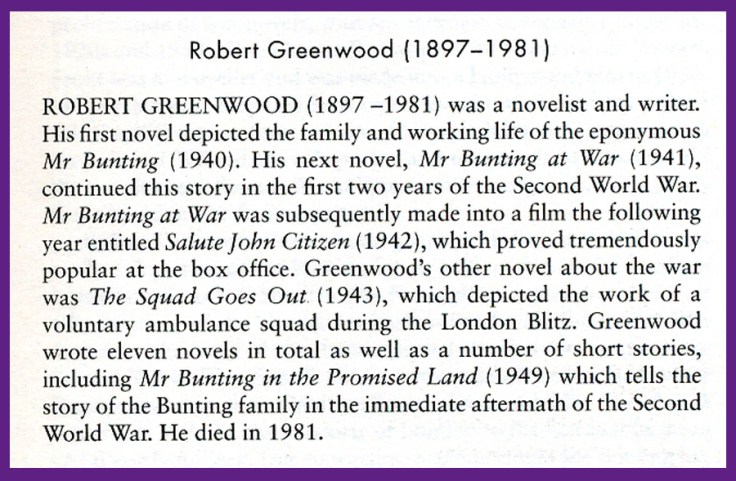


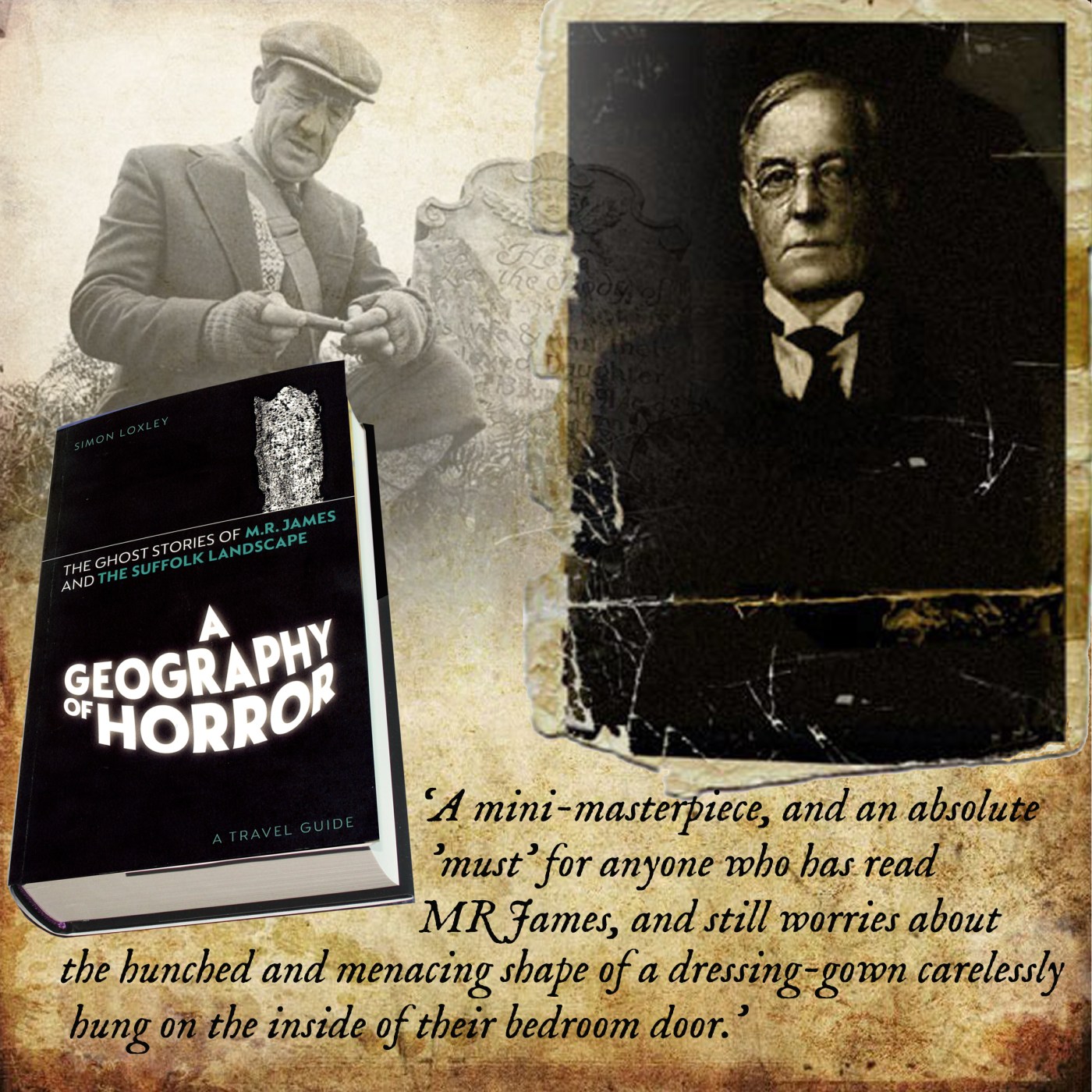
 Who was the most celebrated writer of ghost stories? The genre doesn’t lend itself particularly well to longer book form, and even classics like Henry James’s The Turn of The Screw and Susan Hill’s The Woman In Black are relatively slim volumes. The master of the shorter version and, in my view, a man who unrivalled in the art of chilling the spine, was MR James. Montague Rhodes James was born in Kent in 1862, and in his main professional life he became a renowned scholar, medievalist and academic, serving as Provost of King’s College Cambridge, and Provost of Eton. His first collection of ghost stories, Ghost Stories of an Antiquary, was published in 1904 and has, as far as I am aware, never been out of print.


 Whatever other qualities the book may have, the name of the town in which it is set gets first prize for the most sinister sounding location – Whistling Ridge. You just know that this is a town with dark secrets and simmering tensions that have festered for generations. Throw in a charismatic hellfire preacher who seems to have the town in his thrall, a girl who inexplicably disappeared into the woods, and a mysterious outsider who fascinates the young folk but arouses deep resentment in their parents – and you have a crackerjack thriller. Published by Doubleday, Tall Bones is
  A husband disappears, leaving only a one word scribbled note that says “
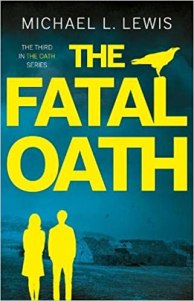 School stories, at least those written for younger readers, were once ‘a thing’ but something of a rarity these days. This book, the third in a series, is aimed at adult readers, and is set in 1957 within a boys’ boarding school in Yorkshire, and is centred on a Jewish teenager who is made to feel an outcast by senior boys who feel he is not “
 Sarah Pearse’s previous (and debut) novel
  Penguin are publishing new translations of Simenon’s stories. I’ve reviewed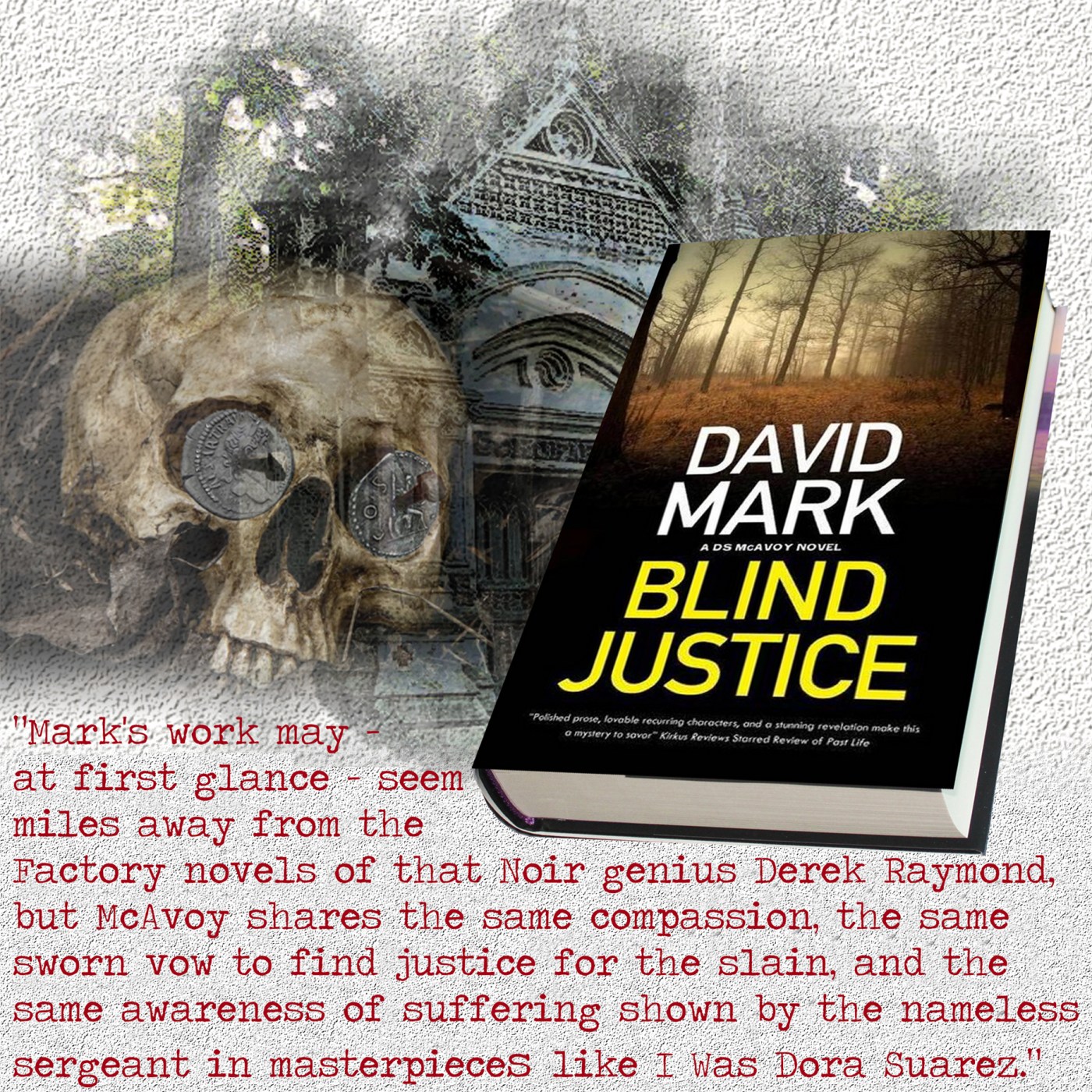
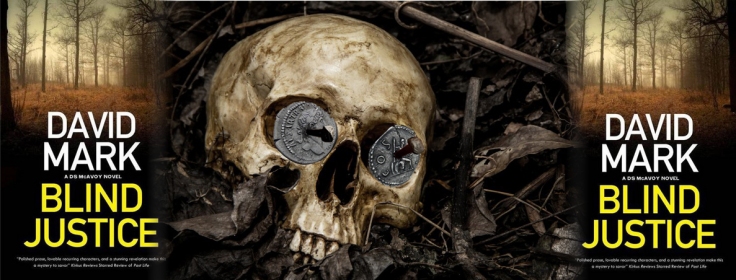
 The book begins with a flashback to an attempt by young men to carry out what seems to be a robbery in an isolated rural property. It ends in horrific violence, matched only by the destructive storm that rages over the heads of the ill-advised and ill-prepared group. Cut to the present day, and another storm has lashed Humberside, bringing down power lines, flooding homes, and uprooting trees. One such tree, an ancient ash, reveals something truly awful – a human body, mostly decayed, entwined within its roots in a macabre embrace.
 David Mark (right) writes with a sometimes frightening intensity as dark events swirl around Aector McAvoy. The big man, gentle and hesitant though he may seem, is, however, like a rock. He is one of the most original creations in a very crowded field of fictional British coppers, and his capacity to bear pain for others – particularly in this episode his son Fin and Trish Pharoah – is movingly described. Mark’s work may – at first glance – seem miles away from the Factory novels of that Noir genius Derek Raymond, but McAvoy shares the same compassion, the same sworn vow to find justice for the slain, and the same awareness of suffering shown by the nameless sergeant in masterpieces like I Was Dora Suarez.


 fullybooked2017