

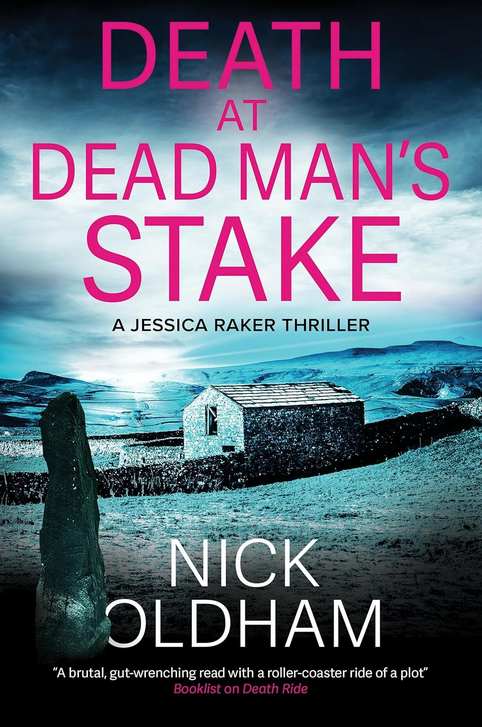
Death at Dead Man’s Stake sounds like something from the Wild West, but it is, in this new novel by former copper Nick Oldham, an incident at an isolated farm in Lancashire. With his veteran Henry Christie perhaps taking a well-deserved break at his (hopefully) rebuilt moorland pub, Oldham introduces Detective Sergeant Jessica Raker. After fatally shooting a London gangster following a botched raid on a jewellers’ in Greenwich, Raker has been moved to the North West – where she grew up – in an attempt to distance her from the dead man’s vengeful relatives.
Her first day is nothing if not eventful. She has barely unloaded her kit into the Sergeant’s office from her car, when she is called out to a crisis at Dead Man’s Stake. When the local fire brigade attends an unexplained fire in the derelict farmyard, one of the firefighters is grabbed and held hostage by the farmer, a drunken, mildly crazed man called Bill Ramsden. Jessica rescues the fireman after tazering Ramsden. Her day is not over, however. A cantankerous old man, resident of a local cafe home, is found dead, his corpse floating in a nearby reservoir. Raker, viewing the scene, suspects that a physical struggle lead to the old man ending up in the water.
Jessica Raker is a good copper, but she has been dealt a poor hand. At the Greenwich heist, who was one of the customers eying up an expensive item at the moment the robbers burst in? None other than her husband Josh, a high flying player in a City firm. And the piece of jewellery was intended not for Jessica, but for his secretary. Improbably, the marriage has survived, and Josh is now working in Manchester, but resentful at the move.
Meanwhile, we learn a little more about the man Jessica shot dead in Greenwich. He was the most ungovernable of the sons of Billy Moss, a millionaire crook grown rich on the proceeds of all manner of criminaity, ranging from the inevitable drug trade to trafficking people. Goss wants revenge. He wants the hapless amateurs who lured Terry Moss into the doomed jewellery raid, but most of all, he wants Jessica. The problem is that the Met Police have done a very good job in smuggling her away to the Ribble Valley, and she has gone completely off the Moss radar. Nonetheless, a professional killer is hired to hunt her down and end her life. While on the school run, Jessica bumps into an old adversary. Years ago, when she was growing up in Clitheroe Jessica and Maggie Goss fell out over a mutually desired boyfriend, and Maggie, now boss of huge scrapyard empire, hasn’t forgotten the teenage slights. What is more important is that the scrapyard business is a million miles away from being strictly legit, and one of Maggie’s LinkedIn buddies is none other than Billy Moss.
It is not just Nick Oldham’s years of experience as a working copper that makes his books so good. Nor is it the loving and detailed sense of place, where he describes a beautiful and windswept rural Lancashire, blissful yet only an hour’s drive from pockets of deprivation and criminality like Blackpool. For me, what puts his novels up there on a pinnacle is his sense of dialogue – nothing flashy or pretentiously poetic – but an unerring version of how real people actually speak to each other.
As the Moss organisation moves against Jessica Raker, there is a satisfying symmetry to the main plot, as it ends where it began, out at Dead Man’s Stake. This is a firecracker of a police thriller, and Nick Oldham has established a cast of coppers, with Jess Raker at its heart, who will keep us entertained for many years to come. The novel is published by Severn House, and is available now.
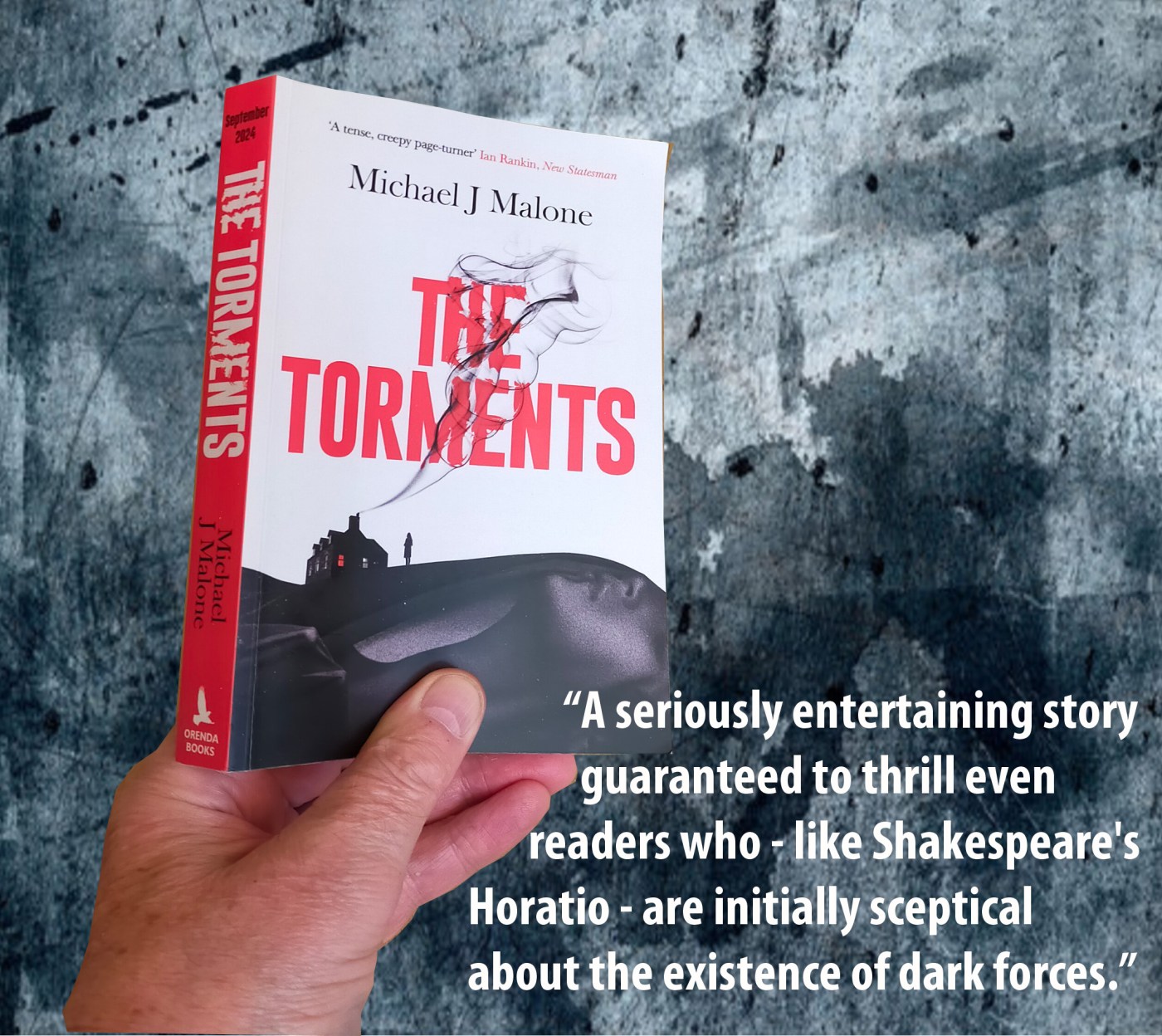

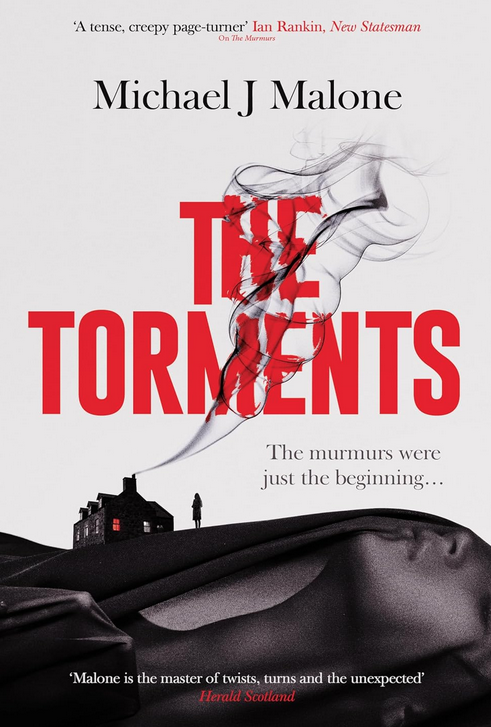


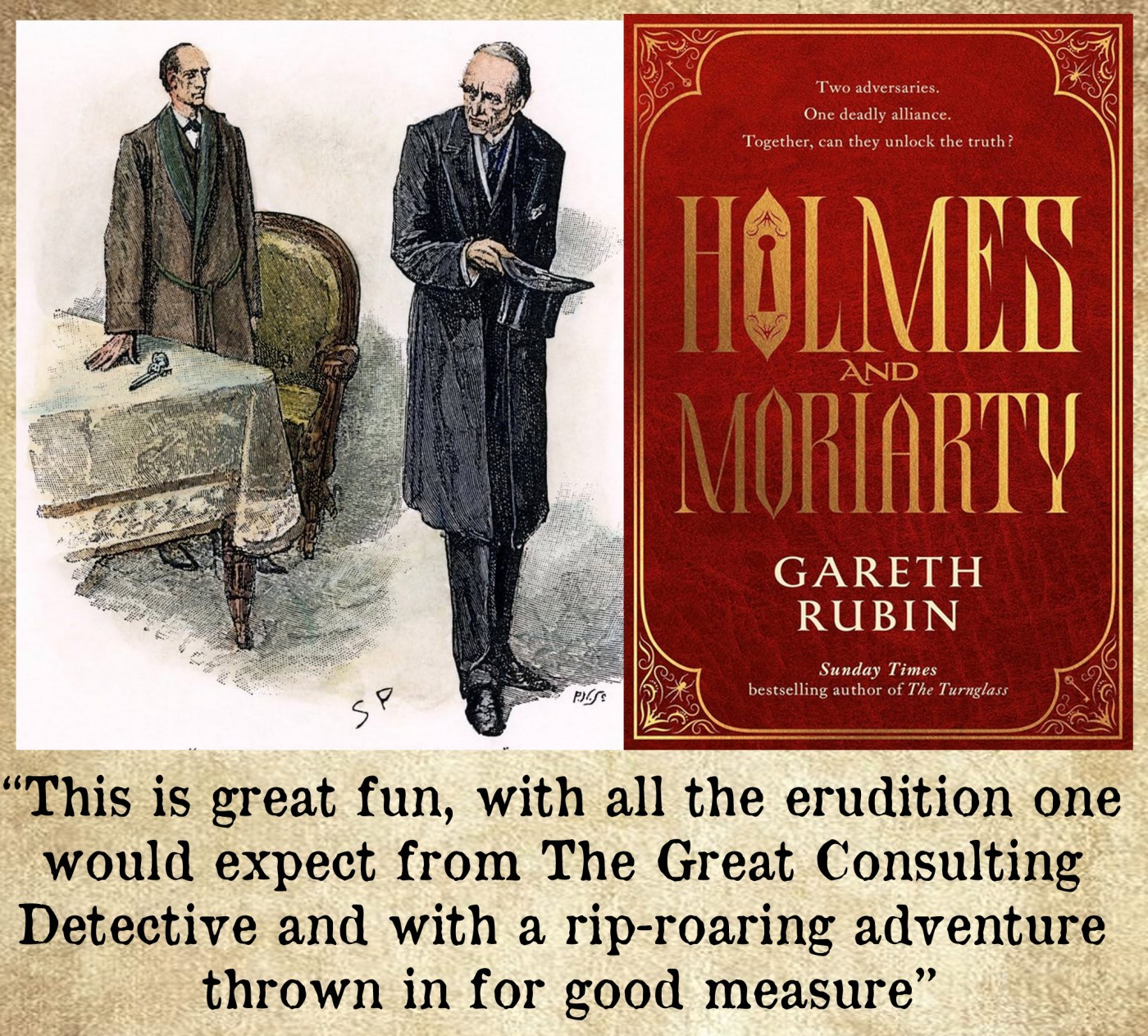



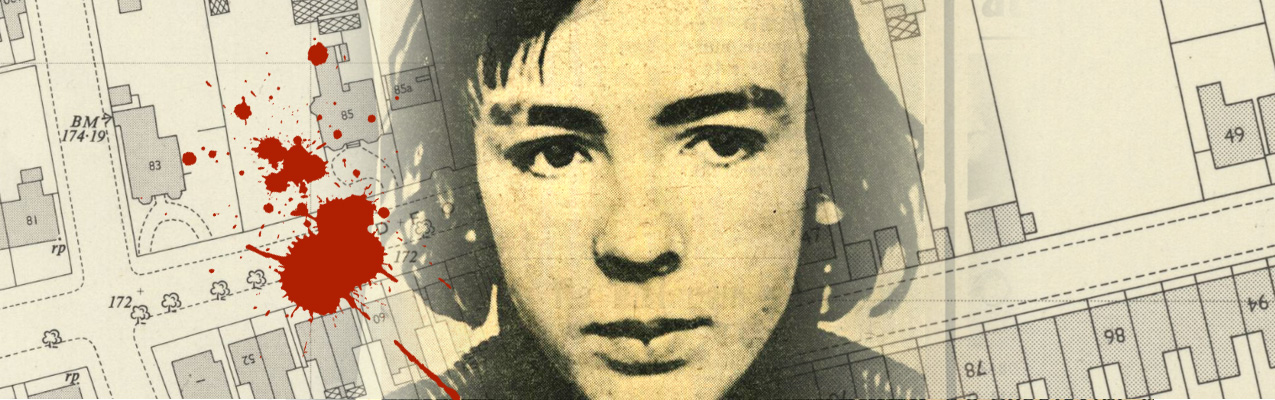
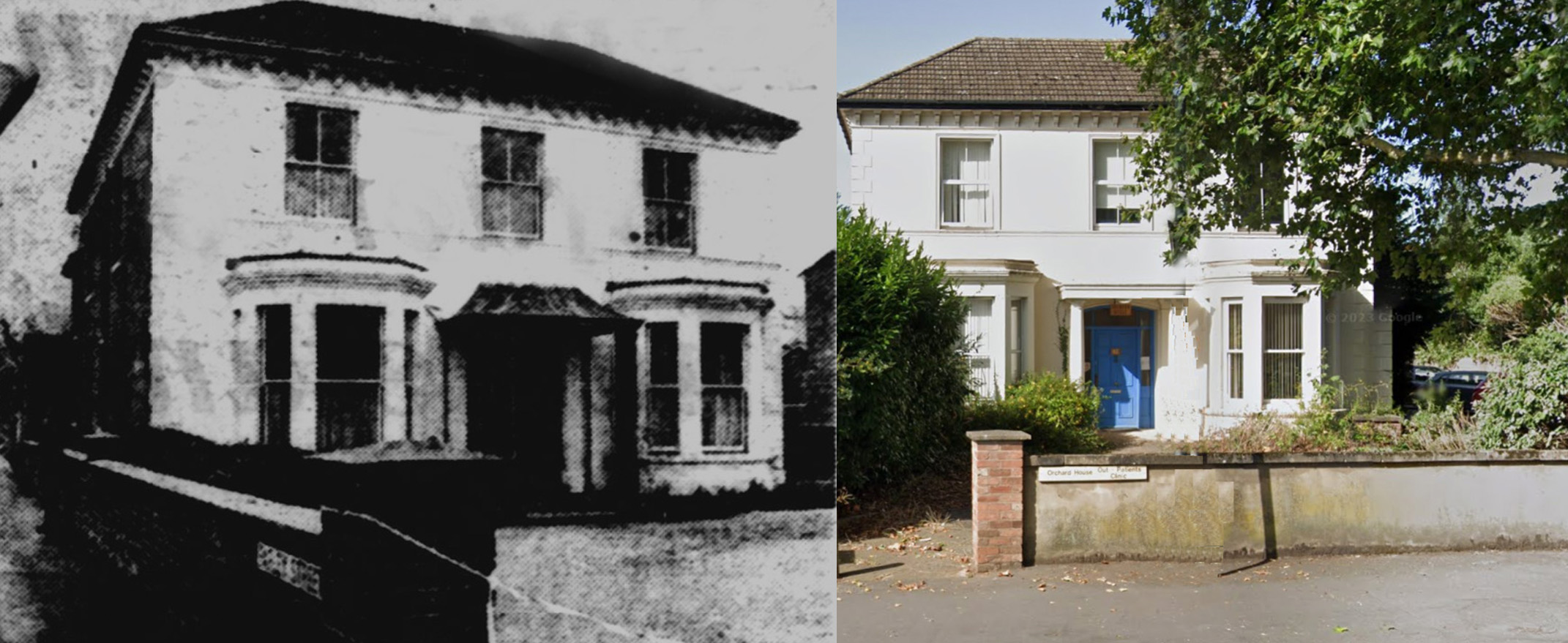
 SO FAR: In the early hours of Monday 2nd February 1976, the butchered body of Chinese nurse Tze Yung Tong (left) was found in her room in a nurses’ hostel at 83 Redford Road, Leamington Spa. Other young women had heard noises in the night, but had been too terrified to venture beyond their locked doors. We can talk about ships passing in the night, in the sense of two people meeting once, but never again. Tze Yung Tong was to meet her killer just the one fatal time.
 Despite his palpable guilt, Reilly was endlessly remanded, made numerous appearances before local magistrates, but eventually had brief moment in a higher court. At Birmingham Crown Court in December, Mr Justice Donaldson (right) found him guilty of murder, and sentenced him to life, with a minimum tariff of 20 years.In 1997, a regional newspaper did a retrospective feature on the case. By then, the police admitted that he had already been released. Do the sums. Reilly, the Baby-Faced Butcher may still be out there. He will only be in his late 60s. Ten years younger than me. One of the stranger aspects of this story is that, as far as I can tell, at no time did solicitors and barristers working to defend Reilly ever suggest that his actions were that of someone not in his right mind. By contrast, in an earlier shocking Leamington case in 1949,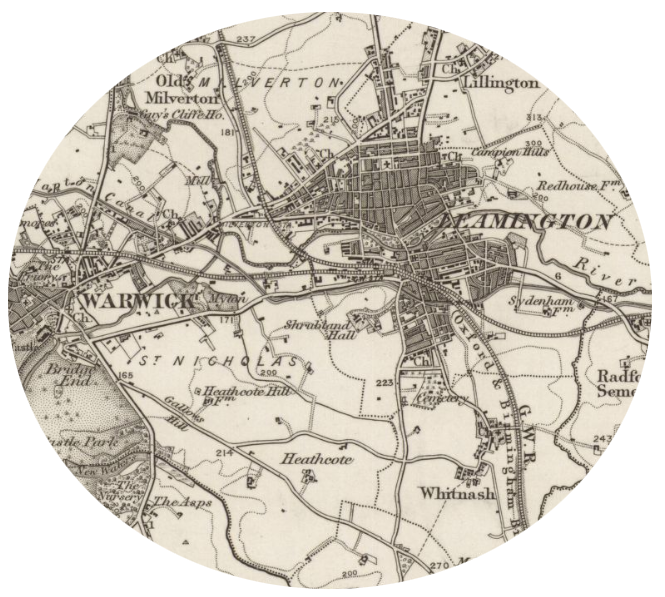








 fullybooked2017