Search

fullybooked2017

Author

fullybooked2017

A retired Assistant Head Teacher, mad keen on guitars. Four grown-up sons, two delightful grandchildren. Enjoys shooting at targets, not living things. Determined not to go gently into that good night.

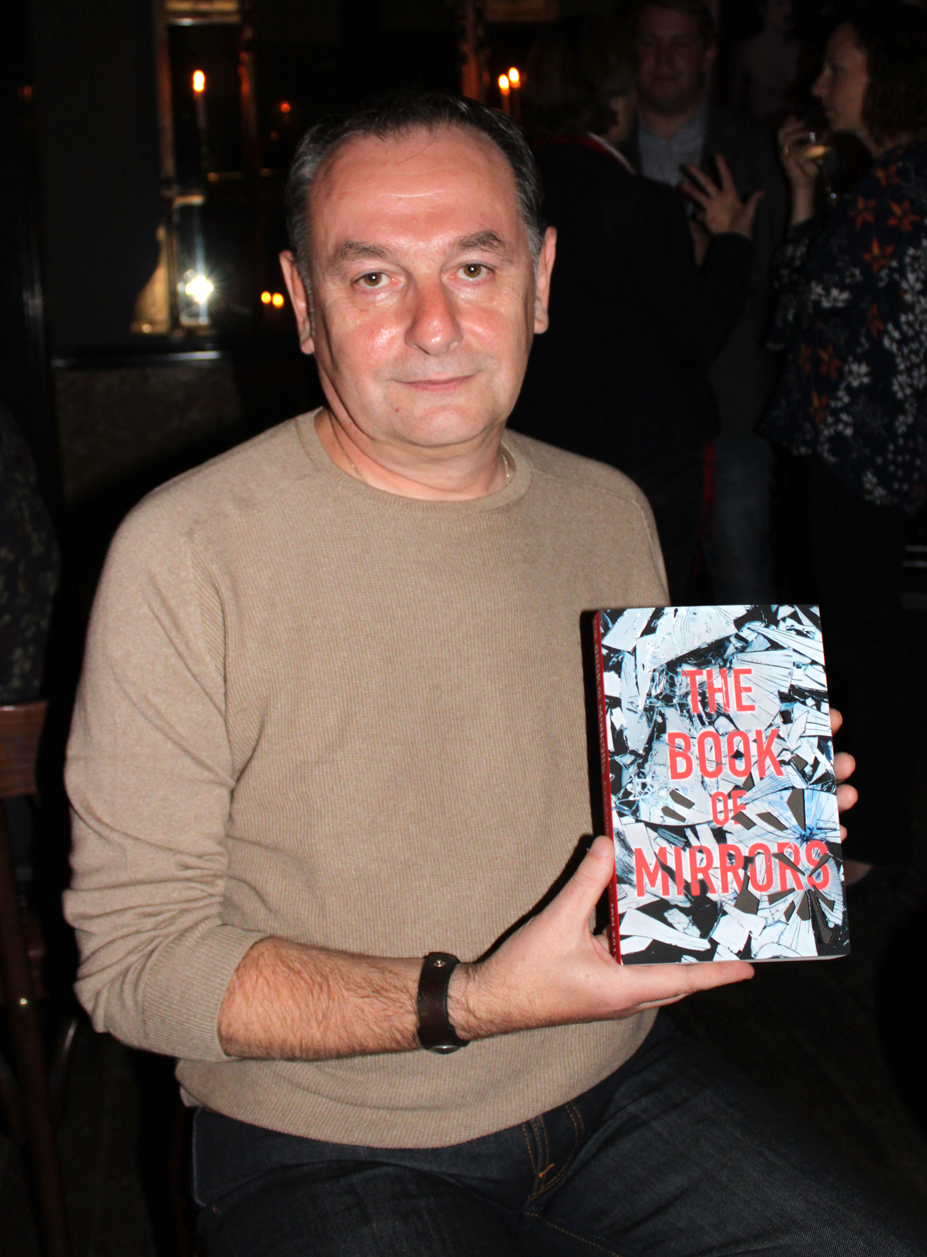
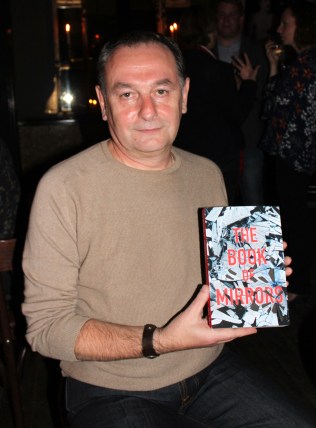
THE BOOK OF MIRRORS … Between the covers

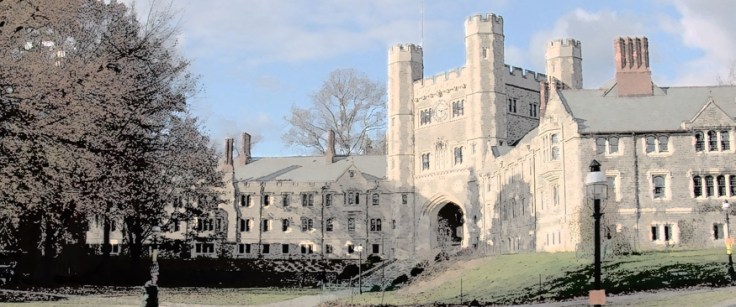
princetonIt is 1987, and a bitterly cold winter night in New Jersey. In a rambling Queen Anne-style house in West Windsor, a man is found dead, battered to death and lying in a pool of his own blood. The corpse is that of a successful but controversial academic from Princeton, Professor Joseph Wieder. For all his erudition and his insights into the human brain – particularly the workings of memory – he is still very dead. The police dutifully stumble around in the snow, interviewing those who knew the dead man, but they fail to find anyone without a decent alibi, let alone a suspect who stood to gain substantially from his death.

Romanian author Eugen Chirovici takes this unsolved crime as the centrepiece of an intriguing and original crime mystery in which he explores the nature of memory and perception from several different viewpoints. Without getting bogged down in faux psychology, Chirovici takes an almost Proustian look at the events of that winter night in 1987, and he even tips his hat to the great man in the final sentence of the book.

515ty68lplWe first learn of Wieder’s violent demise in a roundabout way. A literary agent, Peter Katz, is working his way through emails from hopeful authors, and consigning most of them to the trash icon, when his attention is grabbed by a submission from a man called Richard Flynn. Katz prints out the sample chapters of Flynn’s book and sits down to read them. He is hooked. Two hours fly past, and Katz realises that he has a possible best seller in his hands, but he is unsure if the book is a true crime confession, or a novel. So, what did Flynn have to say?

Richard Flynn has worked his way up from a decent but unremarkable upbringing in Brooklyn, and is in his third year studying English at Princeton. His new housemate is a young woman called Laura Baines, and he falls under her spell. She introduces him to Professor Wieder, who is her thesis supervisor. Flynn gets a part time job cataloguing Wieder’s extensive book collection. By this time, he and Laura are bedmates, but he is still wondering about the relationship between Laura and Wieder when the older man is brutally murdered.

At this point, Flynn’s manuscript finishes, and Katz seeks out the author, only to find that he has recently died. Determined to get to the bottom of the mystery, Katz employs an out-of-work investigative reporter, John Keller, to do the leg work. Keller takes up the narrative at this point but, as he pans the stream, he finds only Fool’s Gold. What he does manage to do, however, is introduce us to the third witness in the saga – a retired cop called Roy Freeman.
eocThere is a very satisfying sense of a torch being handed from one runner to another, and it is during Freeman’s leg of the journey that we find out the truth of what really happened to Joseph Wieder. Or do we? Changing the metaphor, Chirovici tells us that we have been in one of those fairground attractions which involves walking in front of distorting mirrors. He says;

“They’d all been wrong, and seen nothing but their own obsessions through the windows they’d tried to gaze through, which in fact had been mirrors all along.”

This is a skilful and engaging work which is all the more remarkable for being written in English which, despite his many academic achievements, is not the author’s first language. The style is unfussy and direct; Chirovici makes the different participants in the story totally convincing, and the American scene-setting is faultless. In the acknowledgements section at the end of the novel he thanks many different people who, in his words, “enriched the manuscript and made it shine.” I would offer the simple observation that if the stone had not been precious in the first instance, then no amount of polishing would have made it a diamond.

The Book of Mirrors is published by Century, at £12.99 in hardback, and £7.99 for the Kindle. It will be available in January 2017, and you can pre-order here.

ADVENT CALENDAR 2016

cf-advent-calendar

Everyone loves the countdown to Christmas, even if in many UK supermarkets it starts the second all the Halloween tat has been cleared away. But Advent has a deeper and more lasting significance. It is a time of looking forward, of anticipation, but also of reflection. You can click on a daily window to discover a fine crime novel – and a beautiful piece of music. Both choices are mine, and I make no claim that the 25 books are the best of anything, and neither are they in order, but I offer them as a personal selection of what I consider to be the very best of crime fiction.

01-december-link     02-december-link      03-december-link     04-december-link

05-december-link     06-december-link      07-december-link     08-december-link

09-december-link     10-december-link     11-december-link     12-december-link

13th-december-link     14-december-link     15-december-link     16-december-link

17-december-link     18-december-link     19-december-link     20-december-link

21-december-link     22-december-link     23-december-link     24-december-link

holiday_holly_berry_border_by_solitairemiles-d4fy68r

GOOD MORNING ENGLAND … and good evening Australia

mmm-header

When I lived in Australia, listening to an Ashes cricket series on the old steam radio was a matter of staying up until all hours, usually with some mates and a few beverages. The same time difference works the other way as well, obviously. I’m always delighted to receive a communication of any kind from Australian friends both old – and in this case – new.

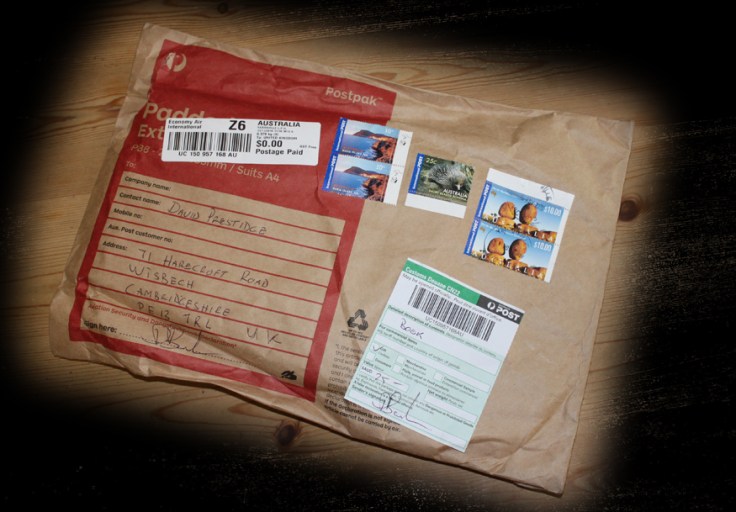
mmm1

This package looked extremely interesting, as well as carrying some very collectable postage stamps, so the old reliable murder weapon, the paper-knife was fetched from the library ….

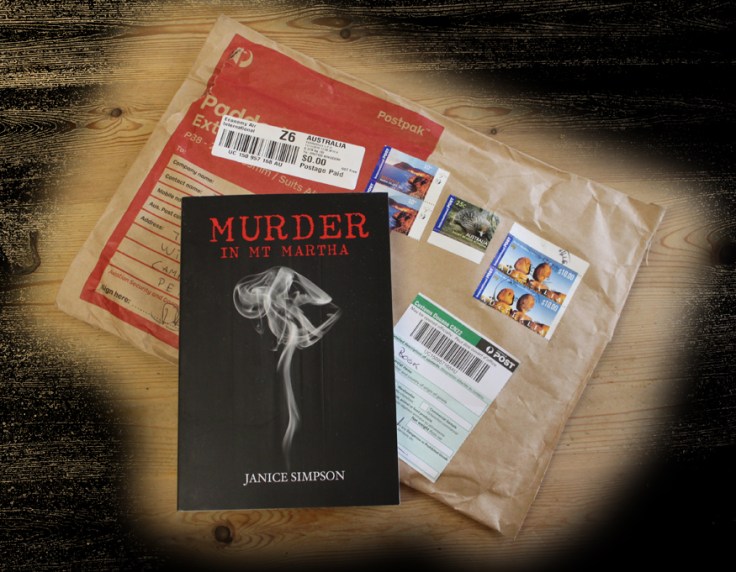
mmm2

To reveal ….. this delightful surprise. Janice Simpson grew up in rural Victoria on a sheep farm. Miles away from friends during weekends and holidays, she spent a lot of time imagining other worlds through the many books she found on the shelves at home and in the shire library, housed in a silent and dusty hall. Perhaps this early life is best described by a passage from her travel memoir, Let Sleeping Dogs Lie.

“I feel a stab of homesickness when I see the sprawling red gums that inhabit the land of my childhood, the place where I learned how to cook, garden, harvest, preserve, look after animals, read, make things, explore, ride a bike, find solace in my own company”.

Mount Martha, for those who have never had the pleasure of visiting, is what we Poms would call a seaside town, within reasonable driving distance of Melbourne. Janice Simpson’s novel is based on a real life crime from 1953, when one of those endlessly reliable discoverers of murder victims – a dog walker – found the mutilated corpse of a dead girl. The novel switches between contemporary events and present day investigations of Nick Szabo, who is drawn into the old mystery by a series of unexplained events.

There will be a full review of Murder In Mount Martha very soon, but in the meantime you can take a look at the Amazon page for the novel.


KILL THE FATHER … The big reveal

reveal

GOING …                       GOING …                             GONE!

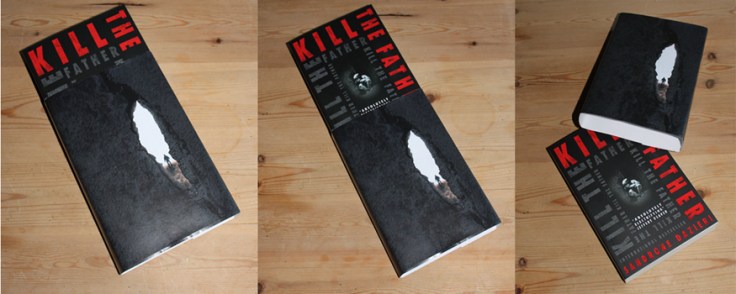
Off came the wrapper of Kill The Father to reveal a compelling minimalist cover design in an ominous black, with just enough crimson to remind us that blood will be shed. It’s not a slim volume, either, as it runs to nearly 500 pages in what looks to these aging eyes like a very small font.

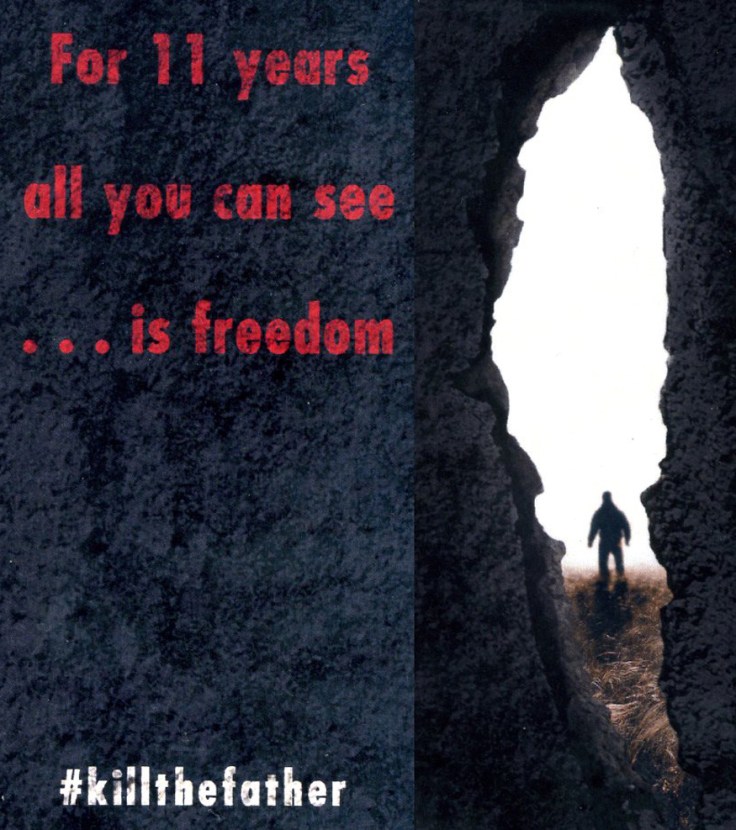
The important stuff. It’s not out until February 2017, but you will be able to read the Fully Booked review early in the New Year. The story? It’s set in Rome, and the titular ‘Father’ is a masked kidnapper who has been active and at large for many years. Two men make it their business to bring down The Father, by fair means or foul. For Deputy Captain Colomba Caselli it’s both his job and much, much more than just a job, but for Dante Torre, a man who spent his childhood trapped inside a concrete silo, it’s personal, because his captor and jailer for all those excruciating years was – The Father himself.

For folks who can read Italian, author Sandrone Dazieri has his own website, or you can read a little more about him on his Wikipedia page

ON MY SHELF … 18th November 2016


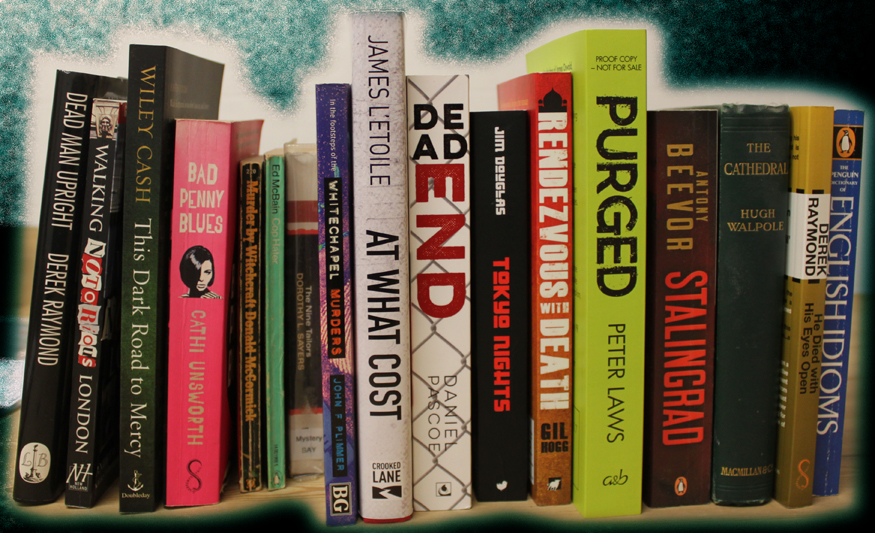
at-what-cost-intro

james-letoileAt What Cost by James L’Etoile
No-one can accuse the author of a lack of experience of the darker paths taken by men and women when they cross the line which separates citizenship from criminality. L’Etoile has worked as prison warden, parole director, hostage negotiator and probation officer. Whatever is foul and dreadful in this world, he has probably seen it at first hand.

Now he has turned to fiction, and his debut novel tells the grim tale of a Sacramento detective – John Penley – who is working on the impossible balancing act between a demanding police career, and being father to a very sick young boy who urgently needs a new kidney. When his latest case involves a killer who eviscerates his victims, that is bad enough. But when the psychopath offers to provide Penley’s son with a new kidney – at a price – the cop is faced with a terrible dilemma. Crooked Lane Books – 13th December

Dead End by Daniel Pascoe
dead-endPascoe is a retired oncologist, and he attracted good reviews of his first novel, The London Sniper, which came out in 2015. He is back in print with the saga of Matthew Crawford, and his traumatic attempt to find a daughter he never knew. Crawford fathered the child when he was still a teenager, but has gone on to lead a relatively normal family life. We pick up his story when he is about to make the traditional father’s speech at the wedding of his other daughter, Annabel. He speaks of his loves and loss, the personal tragedy of the death of his wife, Rachel, and some other family stories of joy, interspersed with the usual jokes

The long-absent Sophie is never far from his mind, however, and as he runs through the expected clichés, he decides to search for his missing child. That decision brings not only danger and disruption to him, but drags his long-lost child into a deadly war between drug dealers and corrupt politicians.
Book Guild Publishing – out now

purged-banner

Purged by Peter Laws
Laws is a member of a very exclusive club – that of Baptist ministers writing crime fiction with a touch of the supernatural. If he has fellow members who are reading this, please get in touch! We meet Matt Hunter, a cleric who has abandoned the certainties of religious doctrine for the far fluffier world of sociology.

Hardened CriFi buffs will know that there are few places on God’s Earth (other deities are available) more sinister and receptive to the powers of evil than an apparently tranquil English village. So it is that Hunter and his family take what turns to be an ill-advised holiday in the Oxfordshire village of Hobbs Hill. Hidden within the warm Cotswold stone, the thatch and the dreamy, drowsy torpor of rural England, there are several distinctly malevolent entities at work. A local girl disappears without trace, followed by another. Hunter is certain that something much darker than common criminality is at work and, despite police scepticism, he becomes involved in an investigation that will come to threaten his own sanity and the safety of his family. If you are a fan of John Connolly’s Charlie Parker, or Phil Rickman’s Merrily Watkins, this may well be your first ‘must-have’ of 2017. Allison & Busby – 16th February 2017

rwdRendezvous With Death by Gil Hogg
Gil Hogg, although living in the West London district of Fulham, is a New Zealander. His novel Rendezvous With Death is far from a debut, as Hogg’s first novel A Smell of Fraud was published as long ago as 1976. He returns with a story which begins in the explosive atmosphere of present day Pakistan.

Nick Dyson has abandoned his career as a barrister in London to act as personal assistant to a British diplomat – Robert Laidlow –  in Islamabad. What seemed like a smart career move goes dramatically wrong when the diplomat is kidnapped. While the authorities are busy blaming the usual suspects – Islamic extremists – it dawns on Dyson that the criminals may in fact be working for a powerful European businessman with an implacable grudge against Laidlow and his family, and that his own head may be the next to roll.

Rendezvous With Death came out at in Kindle at the end of September and you can take a closer look plus a glimpse of Gil Hogg’s earlier books by visiting his author page. If you fancy a print version, then you can order one from the Troubador home page. Matador/Troubador – out now

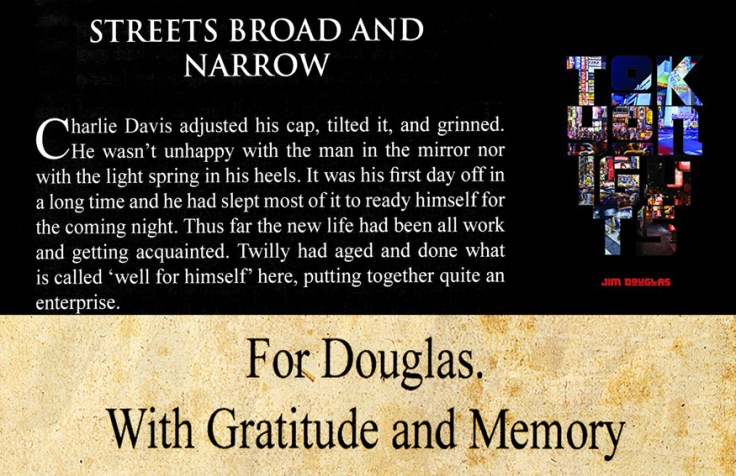
Tokyo Nights by Jim Douglas
We are in present day Tokyo, and submerged in the frenetic noise, neon and night-time Nirvana of a city that rarely sleeps. The contrast between the brash and gaudy streets of the Japanese capital and the other-worldly, two-dimensional serenity of the country’s traditional image is probably lost on maverick ex-pat Charlie Davis. He takes a long term view of life – he lives for tomorrow rather than the next two hours, but when he becomes involved with Colin McCann, a reluctant PI hired to look into the death of a wealthy businessman’s daughter, his live-and-let-live philosophy comes under extreme pressure.

Jim Douglas is the pen name of a writing partnership between Jim Hickey and Douglas Forrester. Jim and Doug wrote together in their adopted city of Tokyo where Jim still lives. Doug returned home to Glasgow early in 2016 for medical treatment and to be with his family. He died in September 2016 shortly before the publication of this, his first novel, Hence the poignant dedication at the beginning of the book. Fledgling Press – just out now.

tokyo-all


TRAUMA … Emma Kavanagh

 trauma

Emma Kavanagh
was born in Wales in 1978 and currently lives in South Wales with her husband and their one year old son. She trained as a psychologist and after leaving university, started her own business as a psychology consultant, specialising in human performance in extreme situations. For seven years she provided training and consultation for police forces and NATO and military personnel throughout the UK and Europe. The paperback version of her latest novel The Missing Hours, is out today, 17th November, and you can read the Fully Booked review by clicking the blue title link. Emma has written a piece for us on the complex subject of trauma.

A mentor of mine – a brilliant trauma psychologist – used to say to me that in every traumatic event, there is always that moment, that split second in which everything shifts from normal to terrifying. And that in that moment, everything we have ever known of ourselves is called into question.

I have always been fascinated by that moment, by what it does to us, and what follows on from it.

tmhIn The Missing Hours, both Ed Cole and Beck Chambers have experienced their fair share of trauma. For Ed it was the experience of war and its physical effects. For Beck, a war and a hostage experience. Both men handle things very differently. One surviving, thriving even. The other turning to drugs and alcohol.

For me, my trauma was giving birth. When my son was born and my bleeding wouldn’t stop and suddenly doctors filled the room. I watched the colour drain from my husband’s face, heard the midwives voices climb in register and I believed that I was about to die.

That I didn’t die (obviously!) made little difference to my perception of the event. I was left with nightmares, anxiety, a trail of obsessive thoughts that began and ended in the delivery room. I did not have Post Traumatic Stress Disorder (PTSD). I was, however, traumatised.

Terrifying events do not have to push us into mental illness to have an effect on us. The belief that one is about to die brings with it repercussions. As do car crashes and break ups and betrayals. In each of these events, our bodies sense danger. Our adrenal glands release adrenaline, noradrenaline and cortisol. They prepare us to fight or to flee. But when there is nothing to fight, nowhere to flee, these physiological reactions can lead us into longer term effects.

Following on from a traumatic event, things like a loss of appetite, diarrhoea, an increased startle reaction and mysterious aches and pains are common. For me it was sleep that suffered. I would lay awake nights reliving the pooling blood, the doctor saying “It’s not stopping.” The obsessive thoughts circled constantly, invading in each quiet moment. I became anxious and experienced a sadness that was a hair’s breadth from depression. Others may become angry, feel out of control, attempt to isolate themselves, or, as in Beck Chambers’ case, use drugs and alcohol to cope with their feelings.

Remember, that in any traumatic event, there comes that moment in which the entire world shifts off its axis and nothing is quite as it was before. That is a huge thing to cope with. We have to learn to process what has happened – the cancer diagnosis, the loss of a loved one, the attack that came from nowhere. We have to allow our brains to twist it and turn it, and create a new understanding of our world that now includes this dreadful thing.

Such things are not done in a day.

Trauma changes who we are. But that does not necessarily have to be a bad thing. In The Missing Hours, Ed has survived terrible injuries and yet has thrived in the face of them, building a family and a business. Beck, on the other hand, has struggled, beaten down by his experiences. So it is with the world – some will have their lives ruined by traumatic stress, others will show remarkable resilience in the face of it.

Much of this comes down to personality and to history. Risk factors for suffering from traumatic stress include already being under a heavy stress load or lack of social support. The experience of childhood trauma is perhaps one of the biggest risk factors – exposure to trauma in the early years re-shapes our brain, changing the way in which it operates, and making us more prone to react to later negative events.

ptsd

Then there are the resilience factors – the ones that help people to survive and even to thrive. A strong social support network is a big one – having the ability to talk through your feelings, finding others with similar experiences, receiving love and feeling validated, all of these things act as a buffer, protecting us from psychological harm. Many people who have thrived in the aftermath of traumatic events can point to a role model – a parent, a grandparent – whose behaviour gave them a blueprint of how to be strong. Having a generally positive view of yourself and confidence in your ability to solve problems also means that your are more likely to attempt to deal with your issues head on, rather than trying to deny they exist.

tmo-spine

Now I find myself asking – am I Ed or am I Beck? Did I thrive? Or was I crippled? In truth, for a while there, I was Beck (although without the substance abuse issues). Birth was supposed to be a joyous event. How could I possibly feel so scarred by it?

It took me many months to come to a point at which I could talk about the nightmares, about the obsessive thoughts. In fact, for months, I didn’t talk about my son’s birth at all. I just couldn’t. Then one day I sat down with my best friend and told her everything. Then I told her again, then again. Then I talked to my health visitor. Then my GP. Then a midwife. Turned out, birth trauma is a very real, very common thing.

The good thing about resilience, about learning to survive traumas, is that we can build it up. We can make ourselves resilient. And talking about it to people who will understand, that’s a great way of helping yourself recover. Another key thing is to use an active coping style – don’t let the trauma cut you off from people, don’t deny it or refuse to think about it. In active coping, you identify the problem (‘I’m haunted by my son’s birth’) and then you go about finding solutions (ie, talking to friends, experts, seek guidance). Accepting the emotional fall-out is important too. The world has shifted. It will take some time before everything settles down again.

emma-kavanagh-bioWhen you do experience a traumatic event, remind yourself that, at some point in the future, this will all be just a story that you will tell. My favourite mantra has become “This too shall pass.”

Psychologists have found that a powerful way of building up our own resiliency is by a process known as ‘Required Helpfulness’. It was discovered during World War 2 that those who cared for others after bombardments suffered less post traumatic stress than did those who were not care-giving. Channeling your energies into caring for others can help your self esteem and self-worth.

I recovered from that trauma. I even went onto have another child. My eldest son is now 5 years old and I’m doing fine.

Traumatic events are an intrinsic part of life. We cannot escape them. Fortunately we can learn to build up our own resiliency so that, when the worst does happen, we are in the best possible position to survive and even to thrive.

MISTERIOSO …Wrapped up in black

ktf3

Publicists become cleverer and cleverer in their life mission to attract YOU to THAT particular novel. Today, concealed in an innocent white padded envelope, came a book completely sealed in a sinister black wrap. Twelve words – and a strange image of a figure glimpsed through, what? A fissure in the rock? A torn curtain? Maybe something more metaphorical, like a jagged rip in someone’s conscience?

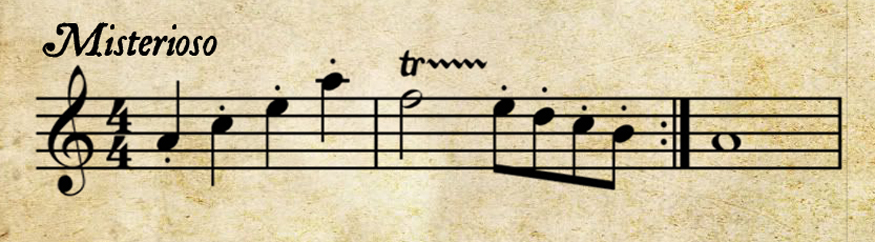
I will post ‘the grand reveal’ a little later in the week. The featured image is just a little musical jest. Those who can sight read will not need to sew up their sides after uncontrollable mirth, but will at least get the joke!

MURDER IN CRAB MARSH

The town of Wisbech in Cambridgeshire prides itself on its connection with the Fens, the primeval flatlands of huge freshwater lakes, interspersed with reed beds and small settlements clinging to the occasional patches of high ground. The truth is, of course, that these Fens have been Fens in name only for two hundred years or more, since the great engineers and speculators of the eighteenth and nineteenth centuries drained the meres to make it the finest farming land in Britain.

Locals – and geologists – will quickly set you right on the fact that Wisbech sits on the very northern edge of the old Fenland. To the north of the town was Marshland, which was still wet, flat and featureless, but with the crucial difference that the water was salt water, and the reclaimed land was very different from the fertile peat of the Fens.

Wisbech sits on the River Nene, which rises on a lonely hill in Northamptonshire, and flows into The Wash some ten miles north of Wisbech. In medieval times, the outflow of the Nene was a treacherous delta of ever-changing creeks and channels, and it is part of folklore that King John’s baggage train was swept to its doom when local guides took a chance with a capricious incoming tide. By the mid nineteenth century, however, a succession of engineers had imposed their will over nature, and the river from Wisbech to the sea was safely confined between high banks.

In the autumn of 1885, a man murdered his wife by the banks of the river. Listen to the podcast to hear the full story. Be warned – the story ends in a grisly and gruesome manner.

 MURDER IN CRAB MARSH

COMPETITION … Truth Will Out

compo-pic

If you want a lovely hardback copy of AD Garrett’s latest novel Truth Will Out, then enter our prize draw. If you’re a fan of the Nick Fennimore series, you will know the answer anyway, but if not, just check our review of the novel here. Then, answer the simple question:

At which British university is Nick Fennimore a professor?

With your answer in the subject line, just email Fully Booked at the address below.

fullybooked2016@yahoo.com

There’s no need to put any further details. There will be a draw of all the correct answers, and the winner will notified in the usual way. This time, the competition is worldwide, so we will post to the USA, Australiasia or wherever. The competition closes at 10.00pm GMT on Sunday 20th November.


RULES

  1. Competition closes 10.00pm London time on Sunday 20th November 2016.
  2. One entry per competitor.
  3. All correct entries will be put in the proverbial hat, and one winner drawn.
  4. The winner will be notified by email, and a postal address requested


Blog at WordPress.com.

Up ↑