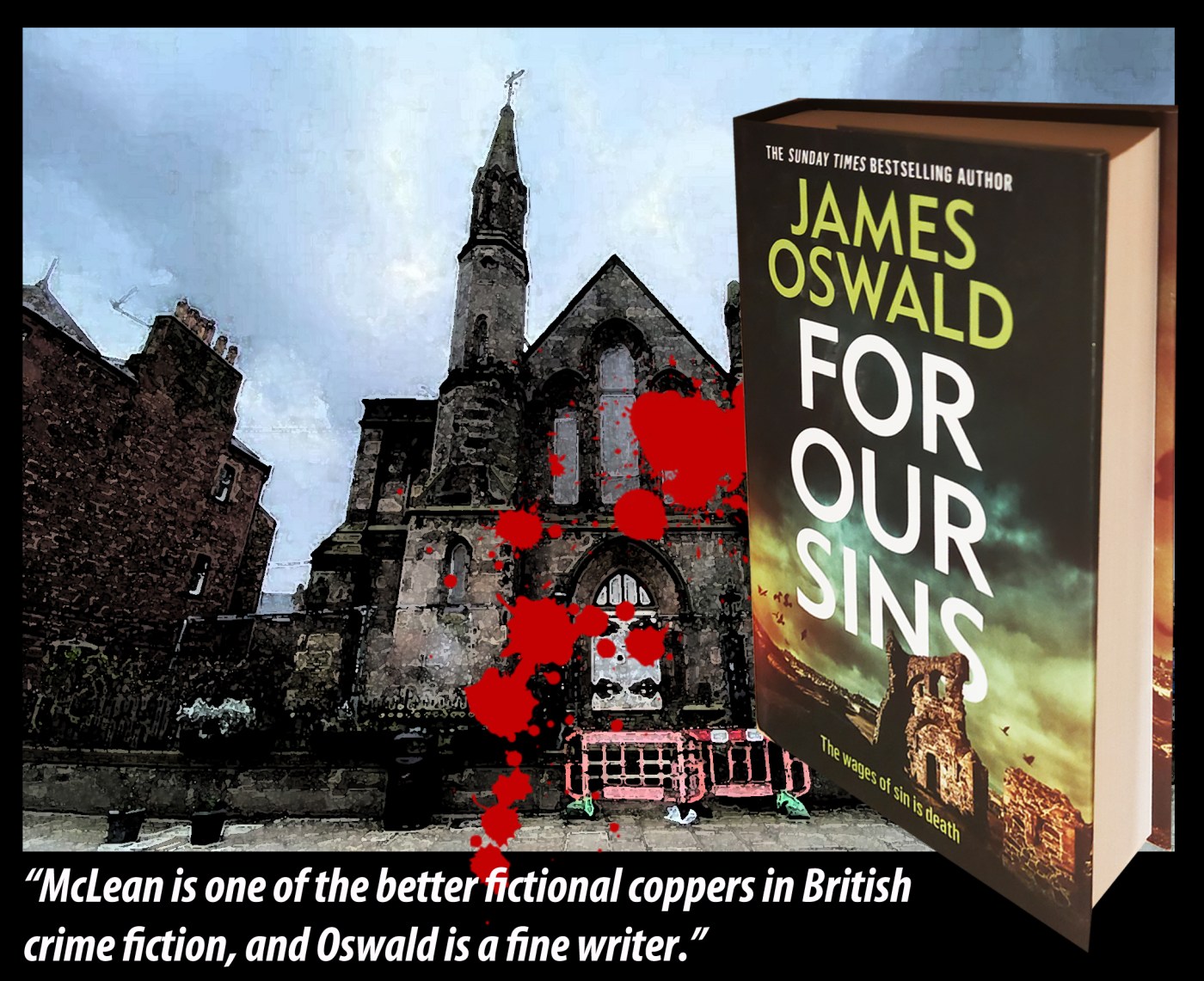

Edinburgh, the present day. A man is found dead in near-derelict church, his head crushed by a collapsed wall. His wallet reveals that he was Kenneth Morgan, an elderly ex-criminal who had been living quietly on his own since coming out of jail five years earlier. In charge of the case is Detective Sergeant Janie Harrison, who remains central to the story, despite the distant presence of her former boss, Tony McLean who has retired from the force. McLean is contacted by investigative journalist Jo Dalgliesh, who asks him to meet a middle-aged man, Robert Murphy who, as a child, was the victim of sexual abuse by his parish priest. The priest was murdered in what appeared to be an interrupted robbery of church silver. Murphy has the strangest of tales to tell.
“I was a witness. And nobody listened to me when I told them what he’d done. And if he died, then how come I saw him on the street just a few weeks ago?”.
When another elderly man is found dead on the floor of a church, this time definitely by foul play, the police realise they have something strange on their hands. Both men were long-term associates of notorious gang boss, Archibald Seagram, a man who has remained conspicuously untainted by criminal convictions, despite being at the helm of an organisation responsible for much of the city’s serious crime for decades.
Meanwhile, Tony McLean is making the best of his ‘retirement’ and dutifully looking after his girlfriend Emma, who is slowly recovering from a stroke. He is acutely aware, however, that with the lack of mental and intellectual challenge that his job provided, One of the ‘ever presents’ in the excellent Tony McLean series is the transvestite spiritual medium Madam Rose, and it is his/her intervention that finally persuaded our man to do what his inner soul has been pressing him to do for months – offer himself back to Police Scotland.his life seems hollow and empty of purpose. Softly, softly, James Oswald is preparing us for some kind of comeback.
Every good police procedural novel needs a bad cop, and few are as loathsome as Detective Superintendent Pete Nelson. Detective Sergeant Jamie Harrison is at the core of the first half of this book, and Nelson is ‘on her case’ in all manner of ways, from professional vindictiveness to drunken groping in the pub. McLean’s former office still lacks a new tenant, and the department is worryingly understaffed, and so he returns, ostensibly just to help with this particular investigation.What we know, as readers, thanks to the short and intermittent flashbacks to 1980s, seen through the eyes of teenage altar boys, is that there is a religious aspect to this case and, specifically, connected to the Roman Catholic church.
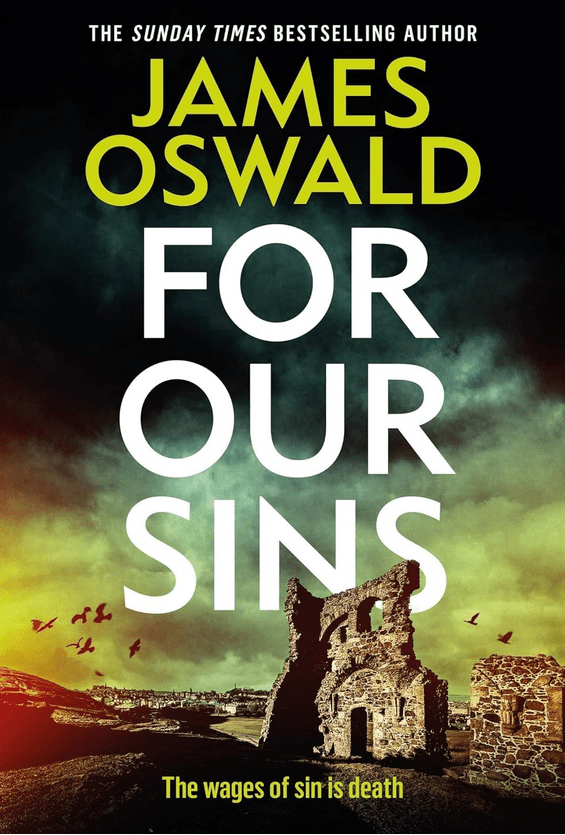
McLean is one of the better fictional coppers in British crime fiction, and Oswald is a fine writer. Although McLean’s return to work is, to a degree, successful, we are left with no neat and conclusive answer to the reason why the three former criminals died. Nor do we learn why the severely disturbed Robert Murphy killed them, and his conviction that his church vestry abuser is still out and about is never explained, except perhaps because of his own mental state – or something paranormal has happened. For Our Sins was published by Headline in 2024, and there will be a new Tony McLean novel later this month.


 fullybooked2017
Leave a comment